The Complete Guide to Non-Destructive Digging in Australia
While digging, hitting a water main, gas line or fibre cable on a job site, and things can go wrong fast. Work stops, repair bills stack up, and safety risks jump straight to the top of the list. In Australia, where underground services run beneath busy streets, suburbs and worksites, digging blind with heavy machinery is a gamble most crews simply cannot afford to take.
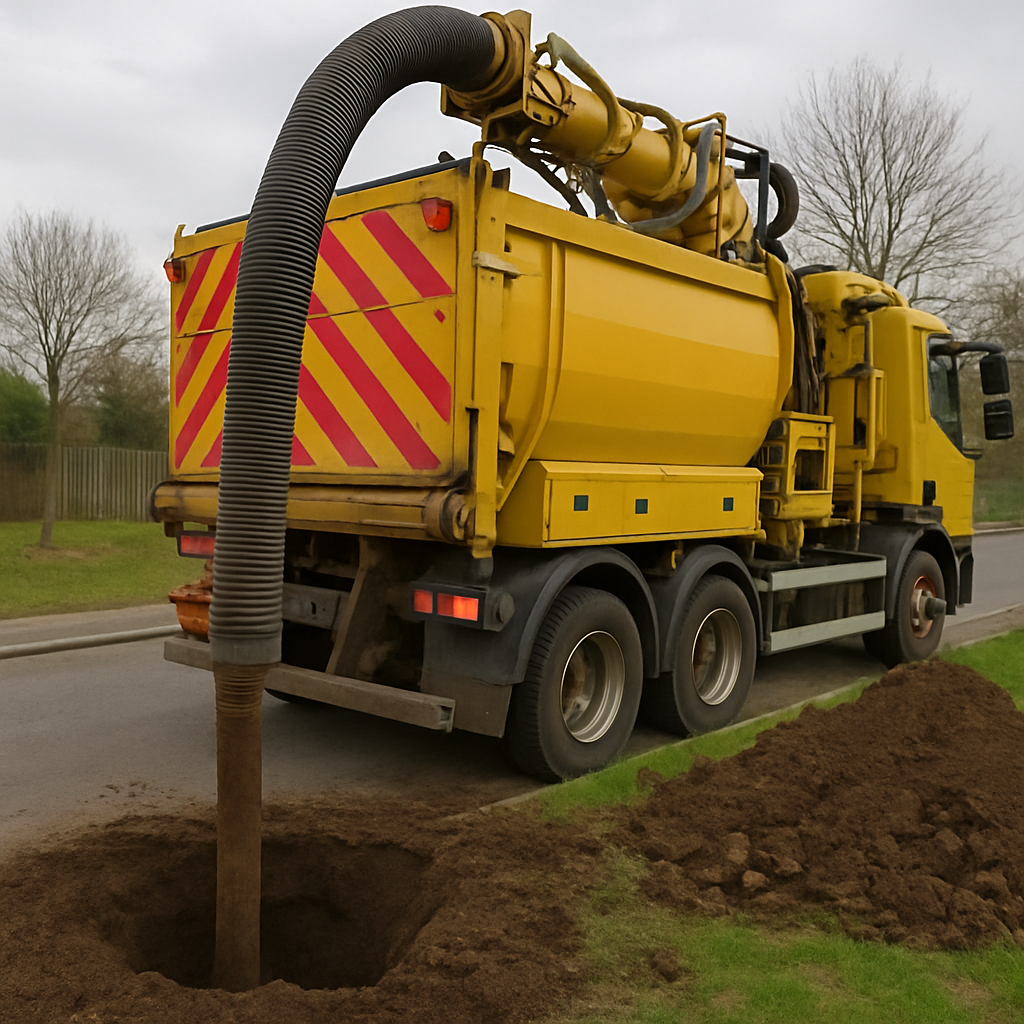
That is exactly why non-destructive digging, or NDD, has become such an important part of modern civil construction. Instead of tearing into the ground with metal buckets and blades, NDD uses high-pressure water or air to loosen soil, then removes it with a powerful vacuum. The result is a safer, cleaner and far more precise way to expose what is underground.
In this guide, we will walk through what non-destructive digging is, how it works, where it is used, what it costs in Australia, and why so many contractors now see it as the smarter way to dig.
What is Non-Destructive Digging? (Hydro and Vacuum Excavation)
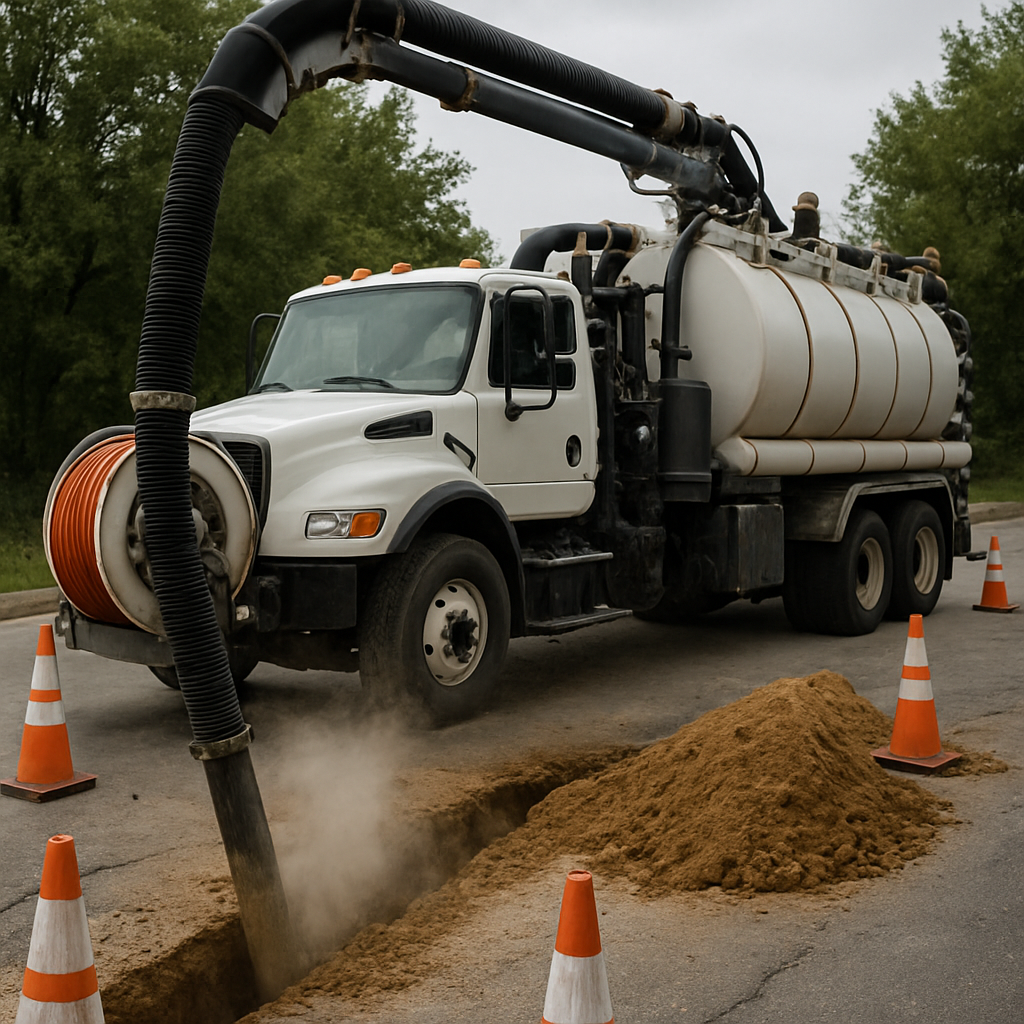
Non-destructive digging is often called soft digging or vacuum excavation, and the idea behind it is simple: remove soil without damaging the assets buried underneath. That matters when you are working around water pipes, gas mains, power cables, communications lines or tree roots.
Rather than using an excavator bucket that can easily strike or crush underground infrastructure, NDD breaks up the ground with either pressurised water or compressed air. Once the soil is loosened, a vacuum system sucks the spoil into a tank mounted on a truck.
It is a pretty clever setup. One part loosens the soil, the other removes it straight away. That gives operators a clear, controlled way to uncover underground assets while leaving them intact.
In practical terms, it means crews can expose services safely, work more accurately in tight spots, and avoid the costly headaches that come with accidental strikes.
Tip: Check your soil type early. NDD works across many ground conditions, but knowing whether you are dealing with sandy soil, clay or compacted ground will help you choose the right equipment and estimate the job more accurately.
Why More Australian Crews Are Choosing Safe Digging Methods
There is a reason non-destructive digging is no longer seen as a niche service. For many projects, it is now the preferred option because it solves real problems on site.
Better site safety
The biggest benefit is safety. Traditional excavation around live services always carries risk. A single hit on a power cable or gas line can cause serious injury, damage critical infrastructure and shut a project down. NDD greatly reduces that risk because it removes soil in a far more controlled way.
Greater precision
If you only need to expose one section of buried pipe or cable, there is no point digging a trench larger than necessary. With NDD, operators can target small areas with impressive accuracy. That means less digging, less mess and less backfilling once the work is done.
Protection for underground assets
Damaging a water main or fibre line is expensive. It also causes delays, emergency repairs and a lot of frustrated stakeholders. Non-destructive digging helps avoid that by exposing utilities without physically striking them. For projects in built-up areas, that can make a huge difference to both cost and timing.
Less environmental disruption
There is also an environmental upside. Traditional excavation can disturb more soil than needed, damage surrounding ground conditions and tear through sensitive tree roots. NDD is much gentler, which is why it is often used when working near protected vegetation or in areas where minimising ground disturbance matters.
Hydro, Air and Dry Suction: What Is the Difference?
Not all non-destructive digging methods work in the same way. The right choice depends on the site, the soil, the surrounding environment and what you want to do with the spoil afterwards.
Hydro excavation
Hydro excavation is the most widely used NDD method in Australia. It uses high-pressure water to break up the soil, which is then vacuumed into a debris tank as slurry.
This method is popular because it is fast, effective and well suited to many different ground conditions. It performs especially well in compacted soil and clay, and it can reach significant depths when required. That makes it ideal for potholing, trenching and utility exposure.
The trade-off is that hydro excavation creates wet spoil. That slurry needs to be transported and disposed of correctly, and it usually cannot go straight back into the hole as backfill.
Air excavation
Air excavation uses compressed air instead of water to loosen the soil. Once dislodged, the spoil is vacuumed away.
The main advantage here is that the material stays dry. That can reduce disposal costs and, in some cases, allow the soil to be reused as backfill. Air excavation is particularly useful where water use is not practical or where preserving dry soil is important.
It does, however, tend to be slower than hydro excavation in heavy clay or wet ground.
Dry suction
Dry suction is a more specialised form of excavation that uses very strong airflow to remove dry material efficiently. Some systems generate far greater airflow than standard hydro-vac trucks, which can improve productivity and reduce downtime.
Because no water is added, sites often stay cleaner and waste volumes can be easier to manage. It is a strong option when minimising slurry and keeping disposal costs down are key priorities.
Tip: If your job involves immediate backfilling and the soil is suitable, ask whether air excavation or dry suction is a better fit. Keeping the spoil dry can save time and money.
Where Non-Destructive Digging Is Commonly Used
One of the reasons NDD has become so popular is its flexibility. It is useful across a wide range of civil, construction, maintenance and utility works.
Potholing and daylighting
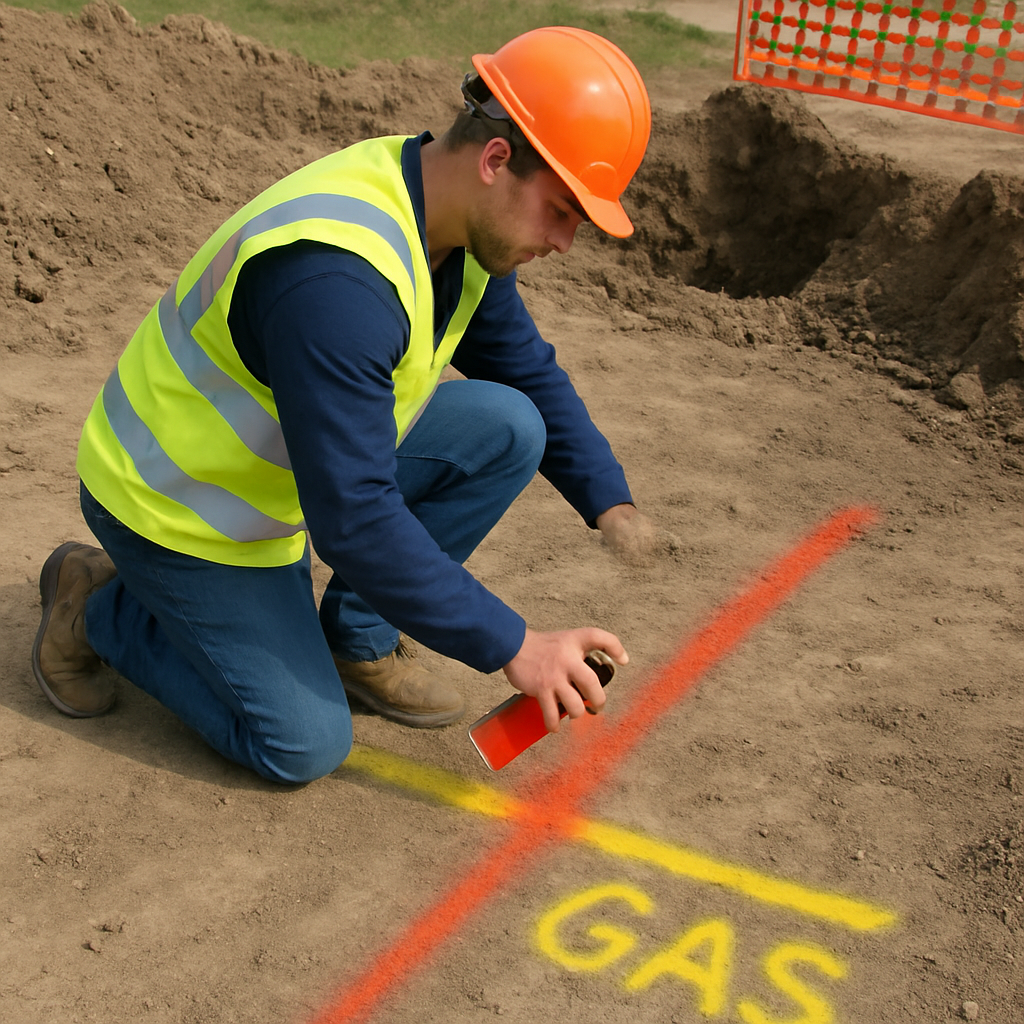
This is one of the most common uses. Potholing, also called daylighting, involves digging small holes to confirm the exact location and depth of underground assets. Plans are helpful, but they are not always perfect. Potholing gives crews visual confirmation before major excavation begins.
Slot trenching
When new infrastructure needs to be installed in areas already crowded with existing services, slot trenching with NDD offers the control required to work safely. This is especially important in urban environments where space is tight and underground congestion is high.
Utility exposure
Gas, water, power and telecommunications assets often need to be exposed for inspection, repair, replacement or connection works. NDD allows crews to get to those services without damaging them.
Tree root zone work
Near established trees, especially protected ones, traditional excavation can cause serious root damage. NDD makes it possible to remove soil around roots more carefully, helping preserve tree health while still allowing necessary works to proceed.
Sensitive or confined sites
In tight access areas or places where damage must be kept to an absolute minimum, NDD is often the safer and more practical option.
What Happens to the Excavated Material?
This is something people often overlook until the job is underway. With hydro excavation, the loosened soil mixes with water and becomes slurry. That slurry is collected in the truck’s tank and then taken off site for disposal or treatment at an approved facility.
That process helps keep the site tidy and reduces the chance of runoff entering drains or waterways. It also means waste handling needs to be factored into both the schedule and the budget.
With air excavation or dry suction, the spoil remains dry, which can simplify disposal and, in some situations, allow it to be reused.
How Much Does Hydro Excavation Cost in Australia?
Pricing for non-destructive digging in Australia is usually based on an hourly rate. That makes sense, because no two sites are exactly the same. Soil conditions, access, depth, waste handling and travel time all affect how long the work takes.
As a general guide, hydro excavation in Australia often ranges from around $250 to $450 per hour, depending on the truck size, crew requirements, location and job complexity. Daily rates commonly sit between $3,500 and $4,500.
A few factors can push the price up or down:
- Soil conditions: Hard clay, rocky material or difficult ground will take longer than soft soil.
- Site access: Tight or awkward access can slow setup and operation.
- Travel and disposal: If the truck needs to spend significant time travelling to refill water or dump slurry, that time is usually billable.
- Depth and complexity: Deeper or more delicate work often requires slower, more careful excavation.
At first glance, NDD can look more expensive than traditional digging. But that only tells part of the story. When you factor in the cost of utility strikes, emergency repairs, delays, reinstatement and safety incidents, non-destructive digging often works out to be the more cost-effective option.
Tip: If possible, make sure the site has easy access to water. Every refill trip adds time, and that extra time adds to your final bill.
Why BYDA Still Matters Before You Start
Even with the safest excavation method available, you should never start work without checking what is underground first. In Australia, that starts with Before You Dig Australia, or BYDA.
BYDA provides access to underground utility information from asset owners, helping contractors identify what services may be present on site. It is a critical first step before any excavation begins.
You should lodge a BYDA enquiry at least one business day before starting work. The process is straightforward and can be done online or through the mobile app.
That said, utility plans are only a guide. They help point you in the right direction, but they do not replace physical verification. That is where non-destructive digging comes in. Once the plans are received, NDD can be used to pothole and visually confirm the exact location of services before major works move ahead.
In other words, BYDA tells you what might be there. NDD helps you confirm what is actually there.
The Future of Digging in Australian Civil Construction
As Australian cities grow and underground infrastructure becomes more crowded, precision matters more than ever. There is less room for guesswork, less tolerance for damage, and greater pressure to deliver projects safely, quickly and with minimal disruption.
That is why non-destructive digging is moving from specialist service to standard practice. It gives contractors a safer way to work around buried infrastructure, helps protect crews and the public, and reduces the risk of costly mistakes.
For project managers, engineers and contractors, NDD is not just about avoiding damage. It is about working smarter. It supports compliance, improves planning, reduces disruption and gives teams greater confidence when operating in high-risk areas.
If you are planning civil works, utility upgrades, construction projects or maintenance near underground services, non-destructive digging is well worth considering. In many cases, it is not just the safer choice. It is the more practical one too.
When the ground below is full of unknowns, a careful approach is not a luxury. It is the standard a modern project should expect.