Why Do Teeth Break Down Over Time? A Complete Guide
Most of us take for granted that our teeth will just keep working as long as we brush them once in a while. But teeth take a beating over the years. All that coffee, soda, late-night snacking, stress jaw clenching, and missed flossing adds up. That wear over time can lead to weak enamel, decay, cracks, sensitivity, and teeth that just don’t feel as strong as they used to.
Tooth decay is rampant in Australia. Almost 90% of the adult population suffers from it. Tooth breakdown is not something that only happens to “other people.” It’s common to all of us and yet we often don’t see the part our daily routines play in it.
Answer-first summary: Teeth breakdown over time through decay, acidic foods and drinks, grinding, wear & tear and natural ageing. The good news is, once you know what is causing the damage, it becomes a lot easier to keep your teeth healthy for the long term.
Take-Home Points
- According to the Australian Institute of Health and Welfare [AIHW, 2023] 89% of Australian adults have experienced decay in their permanent teeth.
- Sugary and acidic drinks can wear away the enamel and make your teeth more prone to cavities or cracks.
- Bruxism Teeth grinding, or bruxism, is surprisingly common and can slowly flatten, chip or weaken teeth.
- “As we age, enamel wears away naturally, and saliva flow may also decrease, which makes it more difficult for the mouth to self-protect.”
- Simple habits like twice daily brushing with fluoride toothpaste and regular visits to your dentist can make a real difference.
What are the commonest causes of tooth breakdown?
When people think about damaged teeth, cavities are often the first thing that comes to mind. Yes, and decay is a big culprit. But it is not the only one. Acidic erosion and mechanical wear can also cause teeth to break down.
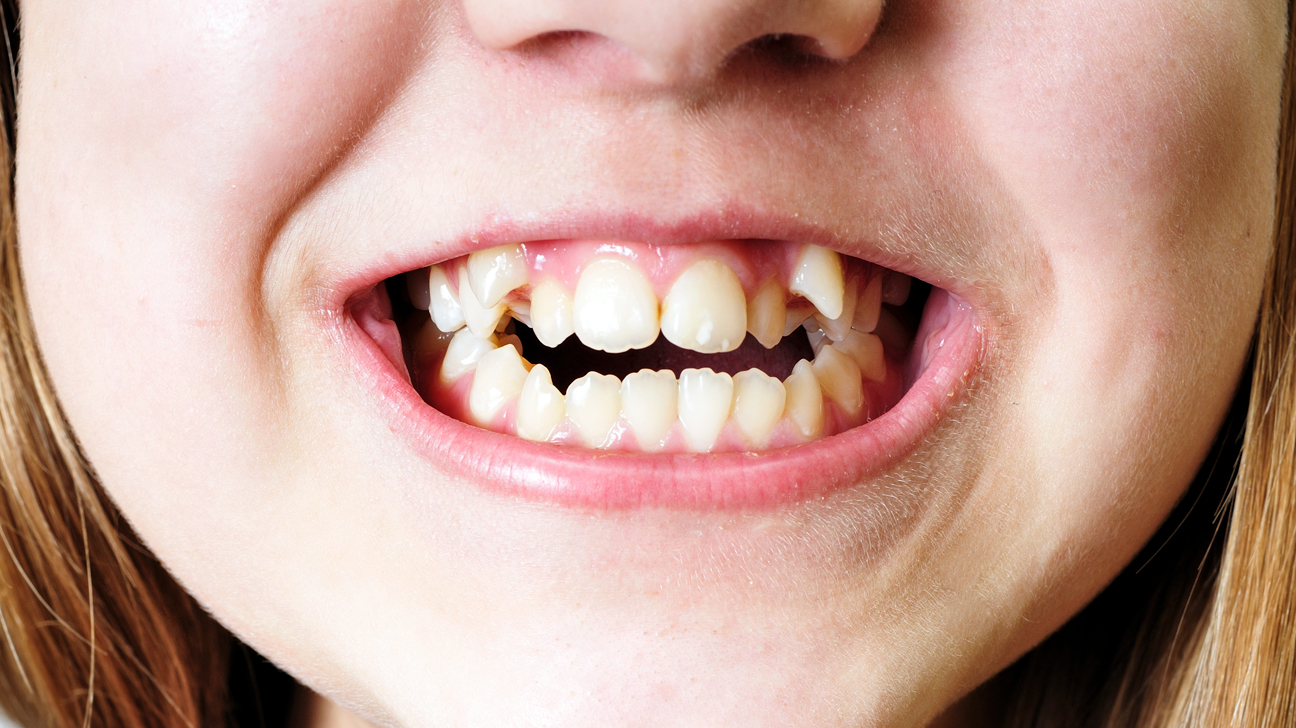
Your enamel is the tough outer layer that protects each tooth. Tough, but not invulnerable. When enamel is lost the softer layer underneath, called dentine, is exposed. That is when teeth can become more sensitive, fragile and more likely to be damaged further.
Cavities usually start when the bacteria in your mouth eat the food that is left over, mainly the sugars. Those bacteria produce acid, and that acid slowly leaches minerals from the enamel. If this happens faster than the tooth can repair itself, a cavity develops.
At the same time, teeth can be worn down by grinding, hard brushing or by repeated exposure to acids in food, drinks or even stomach reflux. Dentists classify tooth breakdown into four general types.
What are the different types of tooth wear?
The table below breaks down the main ways that teeth wear out over time, so it is easier to see what is going on and what signs to look for.
| Type of Breakdown | Primary Cause | Mechanism of Action | Common Symptoms |
|---|---|---|---|
| Decay (Caries) | Oral bacteria and sugar | Bacteria produce acid that damages enamel and dentine. | Localised pain, dark spots or holes, sensitivity to sweets. |
| Erosion | Dietary or stomach acids | Acid dissolves enamel without bacteria being involved. | Yellowing teeth, rounded edges, sensitivity to hot or cold. |
| Attrition | Teeth grinding (Bruxism) | Tooth-on-tooth contact wears down chewing surfaces. | Flattened teeth, chipped edges, jaw pain. |
| Abrasion | External mechanical forces | Friction from hard brushing or using teeth as tools. | Notches near the gumline, gum recession, sensitivity. |
What is the role of diet and sugar in tooth decay for Australians?
Many people don’t realise how much sugar is involved in tooth decay. It’s not just about eating lollies. Every time you have sugary snacks, soft drink, sports drinks, sweet biscuits or even frequent refined carbs, the bacteria in your mouth get to work. They eat those sugars and make acid and that acid attacks your teeth for about 20-30 minutes every time.
If that happens sometimes, your saliva can help restore balance. But if you’re grazing all day or sipping sweet drinks over hours, your teeth hardly get a break.
Australian adults aged between 18 and 24 years obtain 14% of their daily energy intake from free sugars, well above the recommended maximum of 10% (National Oral Health Plan performance monitoring report [AIHW, 2024]). That’s important because the more often teeth are exposed to sugar, the more often they are exposed to acid.
It is also good to keep in mind that frequency is as important as amount. For example, sipping a soft drink over an entire afternoon can be worse for teeth than drinking the same amount quickly with a meal. If you’re looking to give your teeth a rest, water remains the best option.
How do acidic foods and drinks wear down enamel?
This is where it gets a little sneaky. But sugar-loving bacteria are not the only thing that harms teeth. They can be directly eaten away by acid.
This is known as erosive tooth erosion. Soft drink, sports drinks, energy drinks, fruit juice and even sparkling water with citrus in it can all reduce the pH in your mouth. Over time, these drinks can put a lot of stress on the enamel [Australian Dental Association [Teeth.org.au], 2025].
Even apparently healthy habits can contribute. For example, drinking lemon water all day long might seem harmless but it repeatedly exposes teeth to acid. This makes the enamel softer and easier to wear away from normal brushing or chewing.
And that is why dentists so often recommend that acidic drinks should be part of a meal rather than sipped slowly, and rinsing with water afterwards.
What makes poor oral hygiene accelerate tooth breakdown?
Most people know that brushing is important, but it’s easy to underestimate the effect of leaving plaque on teeth day after day.
Plaque is a sticky film made up of bacteria, food particles and saliva. If not removed regularly it hardens to tartar. Once tartar has formed, it cannot be brushed away at home and must be removed by a dental professional.
The Oral Health Tracker [2018] revealed that only half of Australian adults brush twice a day as recommended. That means a lot of people are letting plaque hang around longer than it needs to cause problems.
As plaque and tartar build up around the gums, the gums can become inflamed and begin to recede from the teeth. This exposes the root, which does not have the same strong enamel protection as the visible part of the tooth. Root surfaces are much more susceptible to decay.
Flossing is important, too, because a toothbrush’s bristles can’t reach all the tight spaces between your teeth. Food and plaque can hide there quietly causing decay without you knowing it until the damage is already done.
What’s the difference between teeth grinding and acid erosion?
Both tooth grinding and acid erosion can lead to worn down teeth, but they both occur in very different ways.
Bruxism (teeth grinding) = physical damage This occurs when you grind or clench your teeth, often while sleeping. Around half the population grind their teeth from time to time and about 5% of Australians do it regularly, reports Better Health Channel [2024].
“Grinding your teeth can make you wake up with a sore jaw, headaches or tender-feeling teeth. Over time, grinding can flatten the biting surfaces, chip the edges and put stress on the jaw joints. Stress, anxiety, sleep apnoea and some medications can all cause it.
On the other hand, acid erosion is chemical damage. But instead of pressure, acid slowly dissolves enamel of teeth. It could be the acid from your diet, or the acid from within your body. Stomach acid is very damaging to teeth, so those who vomit frequently, or have gastro-oesophageal reflux disease (GERD), are especially at risk.
This can lead to teeth looking thinner, darker and more translucent at the edges over time.
What is the natural aging process of gums and teeth?
Even if you do everything right, teeth age with the rest of the body. Years of chewing, biting, hot drinks, cold foods and everyday use naturally take a toll.
Enamel tends to get thinner as we get older. That doesn’t mean your teeth are doomed, but they can be more brittle and less forgiving than they were in your twenties. More common are small cracks, rougher edges and increased sensitivity.
Older adults are also more prone to dry mouth, also called xerostomia. Australian senior patients have between 19 and 24 teeth affected by tooth decay, according to the Australian Institute of Health and Welfare [AIHW, 2024]. One reason is that as people get older, they often produce less saliva, especially if they are taking medications that cause a dry mouth side effect.
Saliva is very, very important. It helps wash away food, neutralise acids and provide minerals that support early enamel repair. With lower levels of saliva, teeth lose one of their most important natural defences.
Another issue is that warning signs of ageing teeth may not always be obvious. Changes within the tooth can decrease the sensitivity, so a cavity or crack may go unnoticed until it is advanced.
What are the best ways to prevent teeth from breaking down?
The good news is that teeth are under constant pressure, but there’s a lot you can do to look after them.
Basics still come first. Brushing twice a day with fluoride toothpaste, flossing or cleaning between the teeth daily, drinking water and visiting your dentist regularly all help reduce the risk of breakdown.
Fluoride is particularly good as it helps strengthen enamel and support remineralisation. Fluoridated tap water is also recommended by dentists and has been important in reducing tooth decay throughout Australia. Australia’s national water fluoridation program has been linked to a 27 percent reduction in tooth decay among adults.
If it’s acid,Timing is everything. The best thing to do is wait at least 60 minutes after acidic foods or drinks, or after puking, before brushing. Brushing immediately can rub off softened enamel from the tooth surface. Or, instead, rinse with tap water or chew sugarless gum to help your saliva do its job.
If grinding is part of the problem, a custom mouthguard or bite splint can go a long way.
There are many ways dental experts can repair broken or worn teeth.
When tooth structure is lost, it cannot grow back on its own. And that is why dental treatment is directed towards repairing and protecting what is left.
If grinding is harming your teeth, a custom-fitted bite splint may be recommended. It sits over your teeth while you sleep and helps soak up the pressure from clenching and grinding teeth.
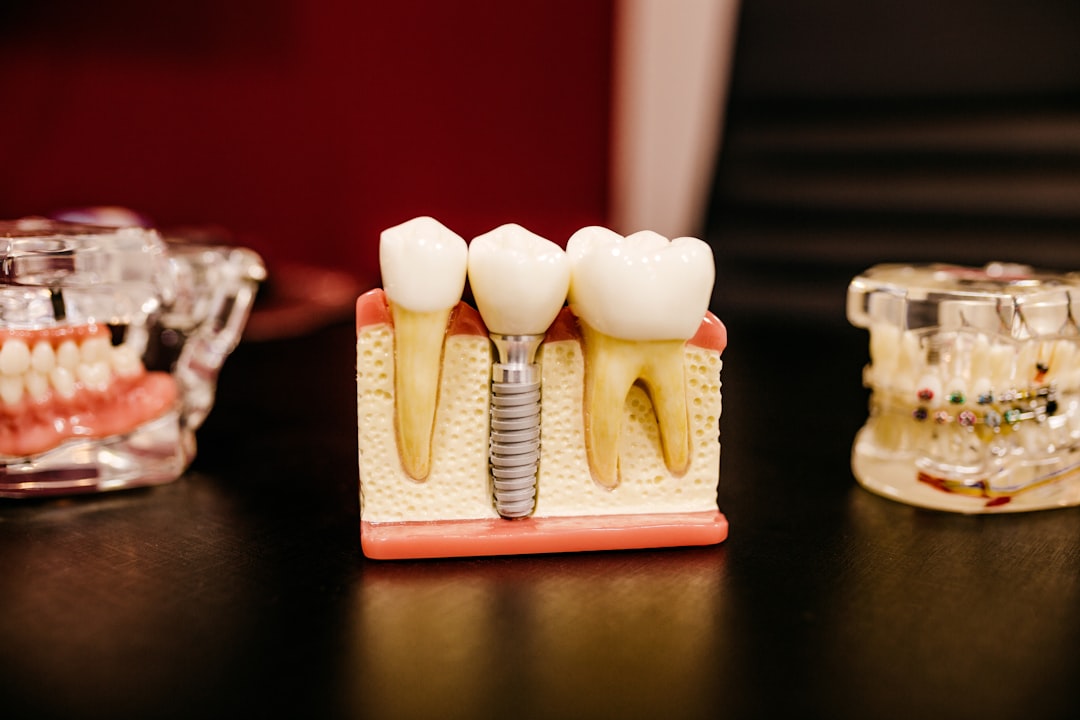
Your dentist may rebuild the area with tooth-coloured composite fillings, if decay has left holes or weak spots. If the damage is more serious a crown may be the best option. Crowns are protective caps that are placed over the tooth to restore its strength and function.
In some cases, dentists will also use inlays, onlays or other conservative treatments depending upon how much tooth structure is left. The right choice really depends on what caused the damage and how far it has progressed.
How do you keep your mouth healthy over the long term?
Taking care of your teeth over the long term is really about consistency. You don’t have to be perfect, but you do need habits that support your teeth day after day.
First, take a hard look at the little things. Do you drink soft drink regularly? Constantly snacking? Scrubbing too hard? Waking up with jaw pain? They may seem like small habits, but over the years they can take their toll.
More often, opt for water instead of acidic or sugary drinks. Lightly brush, not hard. Brush with fluoride toothpaste. Your teeth might feel fine, but don’t skip your dental checkups. If your teeth feel shorter, more sensitive or easier to chip, book in with an oral health professional sooner rather than later.
Because the fact is simple: enamel doesn’t grow back. The sooner a problem is found, the easier and cheaper it usually is to deal with.
FAQs
How much does it cost to repair broken teeth in Australia?
Cost varies depending on the level of damage to the tooth and the treatment needed. A small composite filling can start at several hundred dollars, and more extensive work such as crowns or root canal treatment can exceed a thousand dollars per tooth. In most cases, it is easier and cheaper to treat a problem early rather than waiting until it gets worse.
How long does it take for a cavity to ruin a tooth?
There is no one timeline. It may take months or years before a cavity causes serious damage. It depends on things like your sugar intake, saliva flow, hygiene and how early the decay is picked up. Decays can often move much quicker once they have broken through the enamel and gone into the dentine.
What are the risks of not treating worn teeth?
Worn or broken teeth can lead to pain, sensitivity, infection and even tooth loss if left untreated. Already weakened teeth are more likely to crack under the pressures of normal chewing. Untreated decay can even spread further into the tooth and can cause abscesses which can be serious if untreated.
Are There Other Options Besides Fillings for Severe Decay?
If a regular filling won’t do, your dentist may suggest an inlay, onlay, or crown. Inlays and onlays are custom-made restorations that cover more area than a filling, but preserve more of the natural tooth than a full crown. If the tooth is badly weakened, a crown is often the best way to save it.
People most at risk of rapid tooth erosion include:
Risk factors include people with GERD, frequent vomiting, dry mouth, high stress or regular exposure to acid drinks. Likewise, athletes who consume a lot of sports drinks and people on medications that reduce saliva can also be more prone. If any of that sounds familiar, it’s probably a good idea to get your teeth checked before small changes become bigger problems.