What to Do During a Chemical Spill on a Construction Site?
A chemical spill can shut a site down fast.
It can also harm people, drains, soil, and nearby water.
And if your team reacts poorly, the damage spreads.
That’s why every construction firm in Australia needs a clear response. You need to know who acts, what gets isolated, and how to protect the site without making the problem worse. A fast, calm response helps you minimise water and soil contamination, protect workers, and support Regulatory compliance from the first few minutes.
In this guide, you’ll learn the key steps to take during a chemical spill on a construction site. We’ll also cover EPA reporting, Incident response plan basics, and where Tasman Excavations fits into emergency cleanup and Proactive spill management.
Why chemical spills on construction sites need fast action
Construction sites store more hazardous materials than many teams realise.
Fuel, solvents, oils, washout water, and hydraulic fluid all pose risk.
But once they escape containment, time matters.
A small spill can move into stormwater fast.
It can soak through fill and spread below the surface.
And rain can turn a minor incident into a reportable event.
The first goal is simple.
Stop people getting hurt.
Then stop the spill from spreading.
After that, your focus shifts to cleanup, containment, and records.
That sequence matters.
It helps protect both the site and your business.
The first five actions to take during a chemical spill
If you’re struggling with where to start, start here.
These first actions set the tone for the whole response.
And they help your team avoid panic.
1. Stop work and secure the area
Pause nearby work at once.
Keep vehicles and plant out of the spill zone.
And stop anyone from walking through the product.
Set up an exclusion area.
Use cones, barriers, or tape if needed.
If fumes or fire risk exist, widen the zone.
You want control early.
That reduces exposure and prevents tracking.
It also protects evidence for later review.
2. Identify the substance
You need to know what spilled.
Don’t guess.
Check labels, site registers, and safety data sheets.
Ask:
- What is the product?
- How much has spilled?
- Is it flammable, toxic, or corrosive?
- Is it moving toward drains or soil?
- Has it reached water, sediment, or low points?
This step guides everything next.
Your PPE, containment method, and disposal path all depend on it.
3. Protect people first
People always come before product.
If someone has been exposed, get first aid moving.
Then follow the product’s safety instructions.
Make sure workers wear the right PPE.
That may include gloves, eye protection, masks, or coveralls.
But the exact gear depends on the chemical.
If there’s fire risk, remove ignition sources.
Shut down hot works nearby.
And keep plant movement to a minimum.
For general work health and safety guidance, Safe Work Australia is a useful reference:
https://www.safeworkaustralia.gov.au/
4. Contain the spill
Containment needs to happen fast.
This is where many sites win or lose control.
And small delays can cause big spread.
Use spill kits straight away.
Deploy absorbent socks, booms, pads, or bunding.
Cover nearby stormwater pits if safe.
Focus on Dangerous run-off protection first.
If product reaches drains, cleanup gets harder.
Your reporting duties may also increase.
Try to stop the source too.
Close valves.
Stand leaking drums upright.
Shut off pumps if safe.
5. Notify the right people
Escalate the incident early.
Tell your site supervisor and environmental contact.
And log the time and details.
If the spill is large, harmful, or off-site risk exists, notify external authorities as required.
That may include the client, principal contractor, or regulator.
But don’t wait too long while deciding.
A practical step-by-step chemical spill response process
Once the site is stable, your response becomes more structured.
Here’s how to move from chaos to control.
And here’s how strong teams keep the damage contained.
Step 1: Activate your Incident response plan
Every site should have one.
And every team should know where it lives.
A plan only works if people can follow it fast.
Your Incident response plan should set out:
- Who takes control
- Who contacts emergency services
- Where spill kits are stored
- How to isolate drains
- What PPE to use
- When to escalate
- How records are kept
But plans shouldn’t sit in folders untouched.
They need drills, inductions, and review.
That’s a big part of Proactive spill management.
Step 2: Assess the spread
Look beyond the visible stain.
Chemical spills often move further than expected.
They can flow, soak, and pool in hidden areas.
Check:
- Surface spread
- Soil impact
- Drain entries
- Low spots and pits
- Service trenches
- Nearby water pathways
And don’t assume a dry surface means the spill stopped.
Subsurface movement can keep going.
That’s common with fuel and oils.
Step 3: Use the right containment method
Not all spills behave the same.
So your response method must fit the product.
A one-size-fits-all approach fails fast.
For example:
- Fuel spills may need absorbents and soil removal
- Acids may need specific neutralising controls
- Hydraulic oil may require pit protection and excavation
- Mixed waste may need specialist handling
If contamination enters ground, hand cleanup may not be enough.
That’s often where specialist environmental crews step in.
And that’s where Tasman Excavations can help.
Where Tasman Excavations fits into spill response
Some spills stay on the surface.
Others don’t.
And once contamination reaches soil, pits, or drains, cleanup gets technical.
Tasman Excavations supports construction firms in Australia with practical spill response services.
We help contain spread, recover waste, remove impacted material, and protect site infrastructure.
That means faster control and cleaner outcomes.
Emergency response support
During a spill event, we can assist with:
- Spill containment
- Contaminated soil removal
- Drain and pit cleanup
- Waste oil and hydrocarbon removal
- Sediment recovery
- Safe spoil handling
- Site stabilisation
We act with site conditions in mind.
That includes buried services, access limits, wet weather, and live work zones.
And that matters when every minute counts.
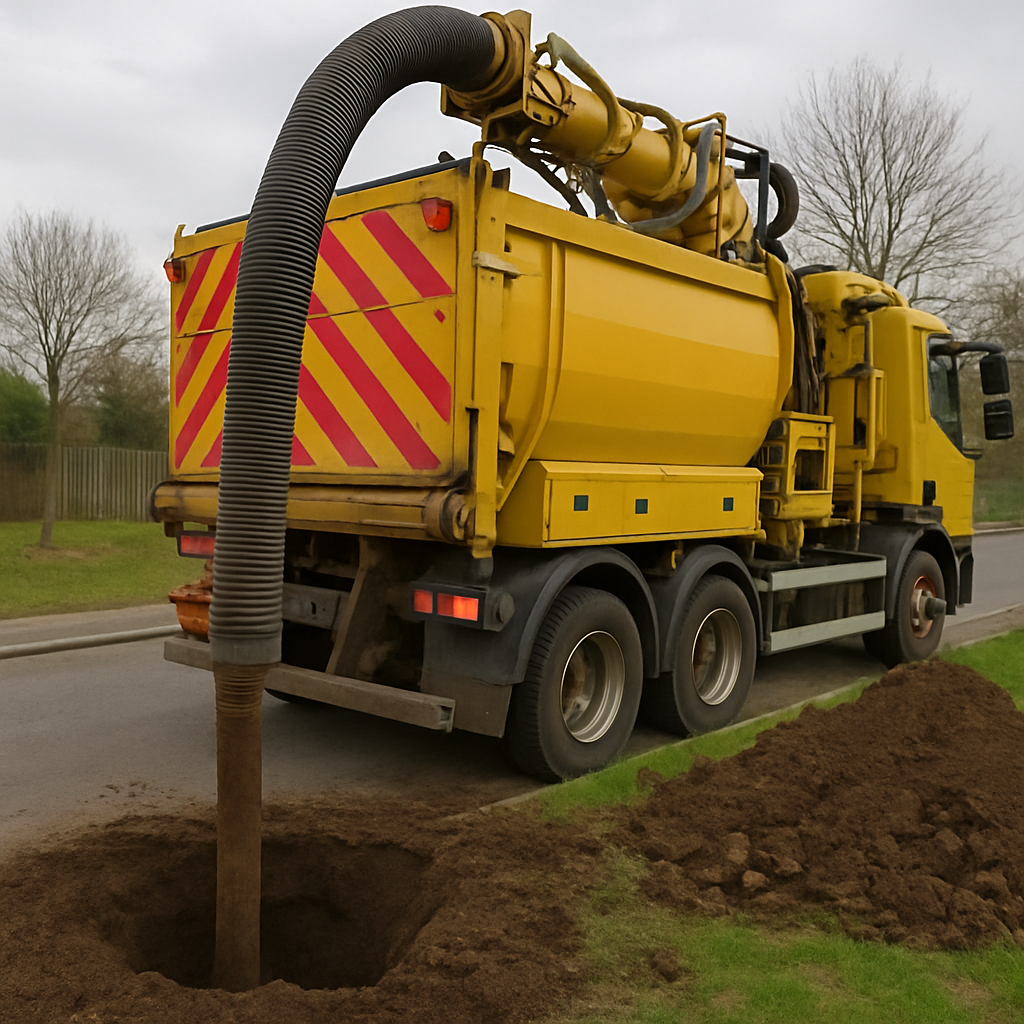
Hydro vacuum excavation for sensitive areas
Mechanical digging can create new problems.
It may spread contamination or strike underground assets.
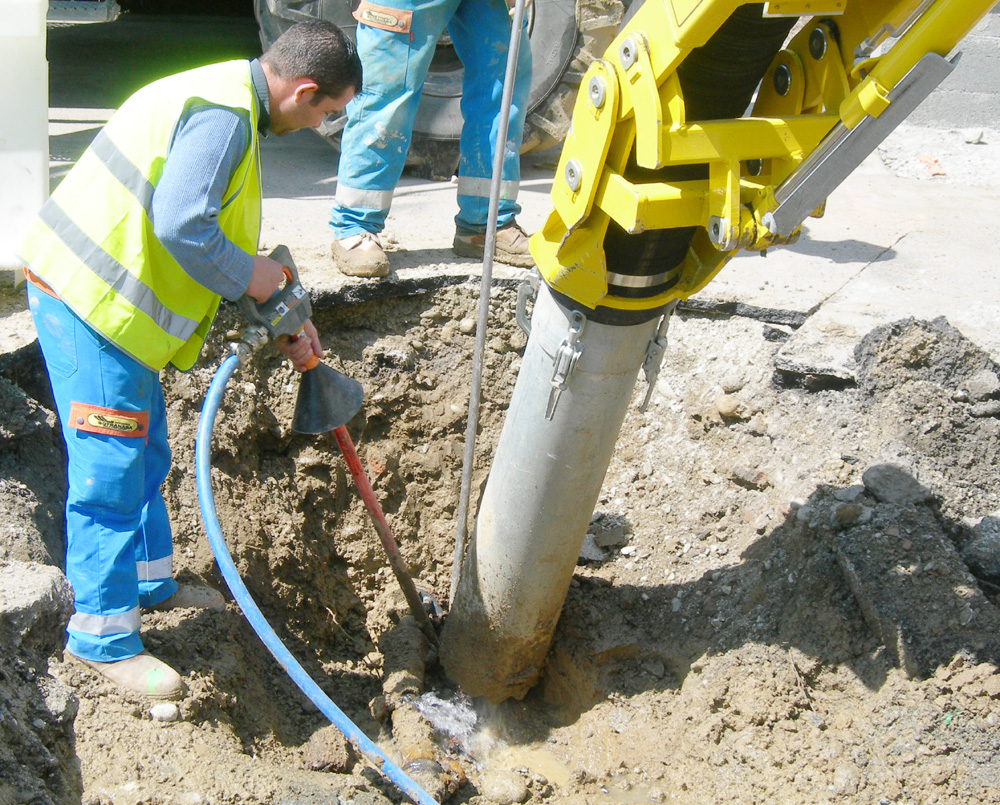
But hydro vacuum excavation gives you more control.
It uses pressurised water to loosen material.
Then a vacuum system removes slurry into a sealed tank.
That helps recover contaminants with precision.
This method works well when spills affect:
- Service corridors
- Stormwater pits
- Tank surrounds
- Soft ground
- Narrow access areas
- Live utility zones
And it helps Minimise water and soil contamination by removing affected material directly, rather than pushing it around the site.
How to manage drains, pits, and run-off
Stormwater is a major risk point.
Many serious spill incidents worsen here.
Once product enters a drainage system, recovery becomes harder.
Your first task is isolation.
Block nearby pit inlets if safe.
Use drain mats, booms, socks, and bunds.
Next, inspect where the liquid could travel.
Think about slope, rainfall, kerbs, and trench lines.
Even a slight grade can carry product far.
Dangerous run-off protection should be part of every spill response setup.
It’s not optional.
And it should be rehearsed before an incident happens.
If contamination reaches a pit or trench, specialist cleaning may be needed.
Absorbent pads won’t fix everything.
You may need vacuum recovery and waste disposal support.
Cleanup, removal, and disposal
Once the spill is contained, cleanup starts.
But cleanup must be controlled.
Fast doesn’t mean careless.
The method depends on the substance and the site.
Some spills need absorbents only.
Others need excavation, vacuum recovery, or tanked removal.
Waste oil and hydrocarbon removal often needs specialist handling.
Oil binds to soil and sediment.
And partial cleanup can leave a site exposed.
A proper cleanup process usually includes:
- Recover free liquid
- Remove contaminated absorbents
- Excavate impacted soil if required
- Clean pits, drains, or hardstand areas
- Segregate waste streams
- Transport waste lawfully
- Confirm the area is safe
Keep clean and contaminated material separate.
That reduces disposal errors.
It also supports better site records.
EPA reporting and site records
A spill response doesn’t end at cleanup.
You also need clear records.
And those records matter if regulators ask questions.
EPA reporting should be accurate and prompt where required.
You need dates, times, quantities, product details, and response actions.
Photos help too.
Record:
- What spilled
- Estimated volume
- Exact location
- How it spread
- Who responded
- What controls were used
- What waste was removed
- Where the waste went
- Whether drains or land were affected
Good records support Regulatory compliance.
They also help your team review what worked.
And they reduce confusion later.
Common mistakes that make spills worse
Some mistakes happen again and again.
And they often turn a manageable incident into a major one.
You can avoid most of them with training.
Watch for these issues:
- Waiting too long to isolate the area
- Failing to protect drains first
- Using the wrong spill kit materials
- Letting plant drive through contamination
- Digging without checking buried services
- Mixing clean and contaminated spoil
- Poor site notes and weak EPA reporting
- Treating subsurface contamination like a surface stain
But the biggest mistake is underestimating the spill.
If there’s any doubt, escalate early.
That protects your team and your project.
How proactive planning reduces spill risk
The fastest way to manage a spill is to reduce the chance of one.
That’s where Proactive spill management matters.
And it saves time, cost, and disruption.
Construction firms should review:
- Chemical storage areas
- Fuel and refuelling points
- Washdown zones
- Drum handling methods
- Bund integrity
- Stormwater protection
- Spill kit access
- Staff training frequency
You should also test your Incident response plan.
Run site drills.
Check if workers know who to call.
And inspect high-risk areas often.
Minor leaks often show warning signs first.
A stained surface today can mean a reportable spill next month.
A short site example
Picture this.
A hydraulic hose bursts near a stormwater pit.
Oil spreads across hardstand and into loose fill.
The supervisor stops work at once.
The crew isolates the zone and covers the pit.
Absorbents hold the surface spread.
But some product has entered the soil edge.
That’s when specialist support becomes important.
Tasman Excavations can step in to recover waste, remove impacted material, and protect nearby services.
That kind of fast action changes outcomes.
It limits spread.
And it helps keep reporting cleaner and more accurate.
What construction firms should do next
Don’t wait for the next spill.
Review your site setup now.
And make sure your response is practical, not just documented.
Start with these actions:
- Update your spill risk register
- Check all spill kits this week
- Review drain protection points
- Confirm emergency contacts
- Train crews on first-response actions
- Review EPA reporting duties
- Add specialist support contacts
- Test your Incident response plan
If your sites handle fuel, oils, chemicals, or contaminated runoff, preparation matters.
And if a spill reaches soil, pits, or drains, expert help matters even more.
Final word
A chemical spill on a construction site needs fast, clear action.
Protect people first, contain the spread, and document every step.
That approach helps Minimise water and soil contamination and supports Regulatory compliance.
Tasman Excavations helps construction firms in Australia respond with practical, site-ready support.
From containment through waste oil and hydrocarbon removal, we help teams regain control fast.
Review your current response plan today, and fix the gaps before the next incident hits.