What Is Architectural Masonry?
If you’ve ever looked at a wall and thought, that actually adds something to the design, there’s a good chance you were looking at architectural masonry.
It’s masonry that does two jobs at once. It gives you the strength and durability you’d expect from blockwork, while also acting as part of the finished look of the project.
That’s the big difference.
With standard blockwork, the wall often gets covered with render, paint, or cladding. With architectural masonry, the wall is the finish. You don’t hide it. You show it off.
For builders, landscapers, designers, and developers, that matters. You get a material that works hard and looks good doing it.
Definition and key features of architectural masonry
Architectural masonry is made for performance and appearance. In other words, it isn’t just there to hold things up. It’s also there to be seen.
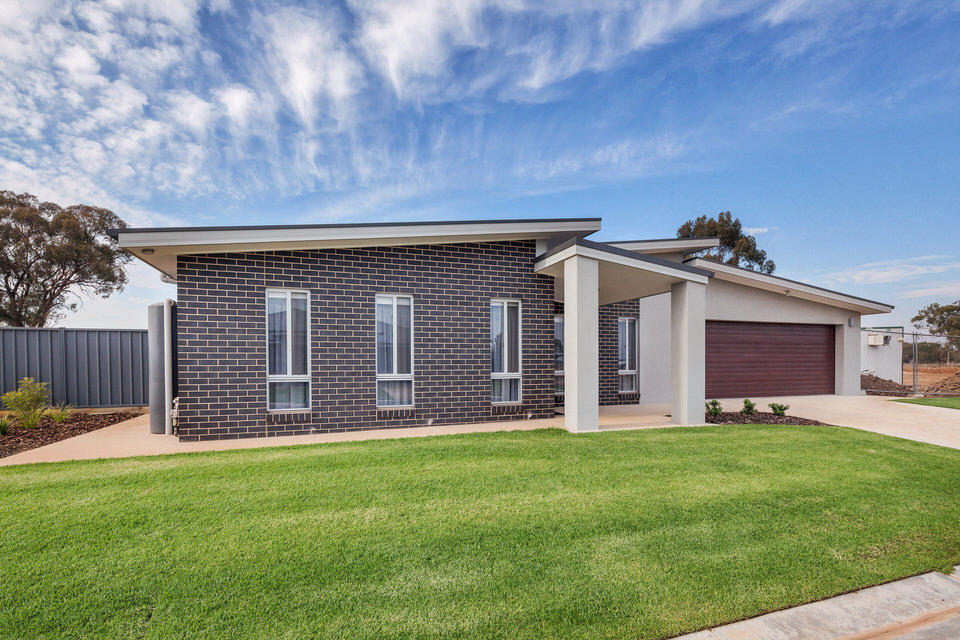
You’ll usually find it in projects where exposed masonry is part of the design from day one. That could be a home facade, a feature wall, a commercial frontage, or a landscape structure.
Common features include:
- Clean, consistent finishes
- More texture options
- More colour choices
- A wider range of sizes and shapes
- Strong visual appeal in exposed walls
- Reliable durability and strength
This can include architectural blocks, coloured concrete blocks, split-face units, honed finishes, polished masonry, and other premium masonry products.
Put simply, it gives you the look of a finished wall without losing the benefits of structural masonry.
How architectural masonry is different from standard concrete blocks
Standard blockwork still has a place. It works well. It’s practical. It’s often the right choice for basic structural jobs.
But it’s usually picked for function first.
Architectural masonry is different. It’s picked for function and appearance.
That’s why it stands out.
Where standard grey blocks are often seen as a base layer for another finish, architectural masonry is meant to stay visible. The texture matters. The colour matters. The overall finish matters.
A simple way to think about it:
- Standard blocks solve a building problem
- Architectural masonry solves a building problem and a design problem
If you’re looking at Concrete blocks Australia suppliers offer, this is often where the choice starts. Do you just need a wall? Or do you want the wall to shape the whole look of the space?
Standard grey blocks vs architectural finishes
Once you know what to look for, the difference is pretty easy to see.
1. Texture
Plain grey blocks usually have a basic surface. They do the job, but they don’t add much visually.
Architectural masonry gives you more options, such as:
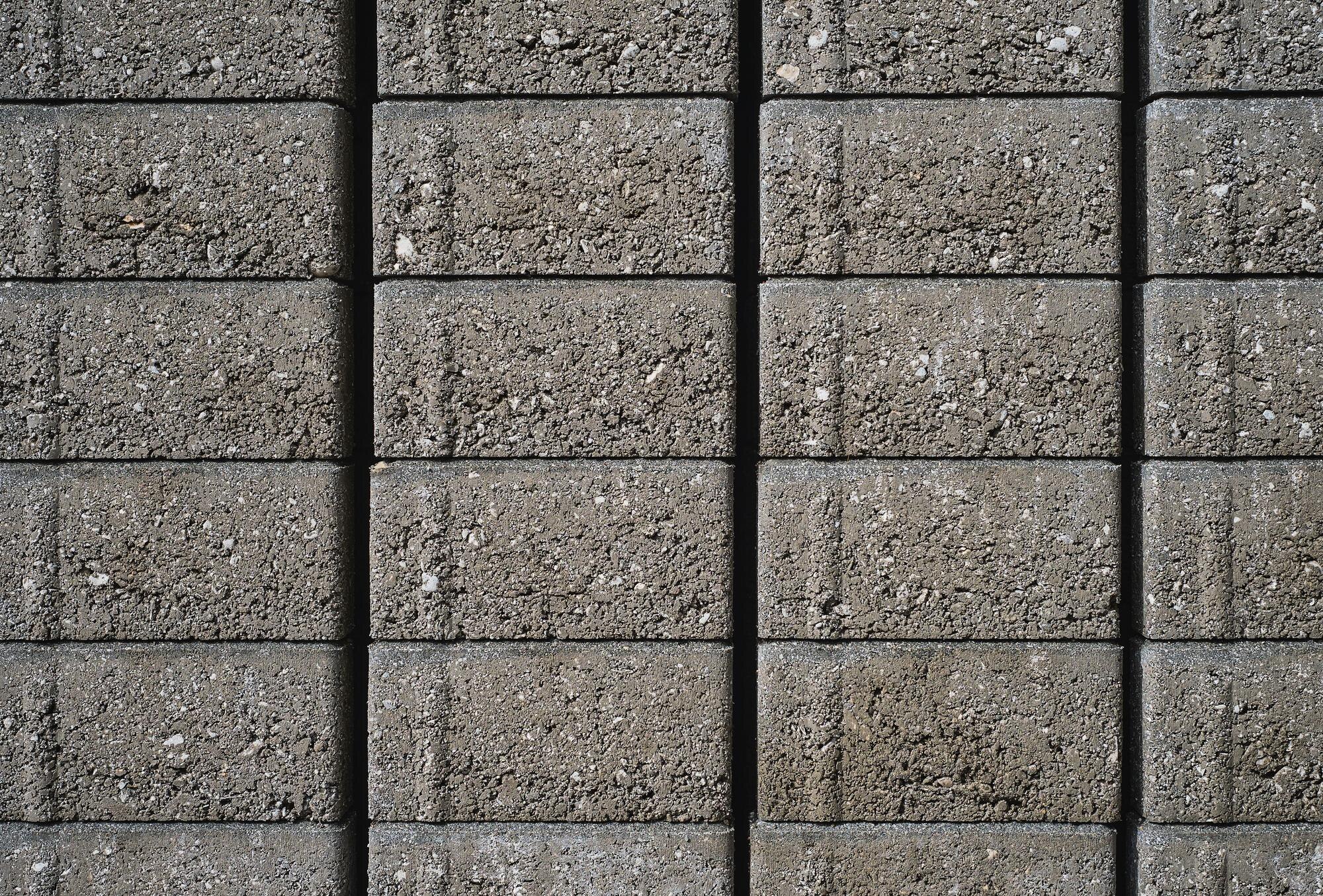
- Split-face texture
- Honed finishes
- Shot-blast surfaces
- Smooth face units
- Polished masonry
- Exposed aggregate looks
And texture changes everything.
A rough split-face wall can feel bold and solid. A honed finish feels cleaner, sharper, and more modern. Same material family. Very different result.
2. Colour
Standard blockwork is often grey because it’s made for utility, not design.
Architectural masonry opens that up. Coloured concrete blocks give you much more freedom because the colour is built into the product, not painted on later.
Popular colours include:
- Charcoal
- Soft grey
- Sandstone tones
- Warm earth colours
- Off-white shades
- Deep modern neutrals
That makes it easier to tie your wall in with concrete pavers, masonry bricks, roofing, cladding, or nearby landscape materials.
3. Size and shape
Standard blocks usually come in a smaller range of common sizes.
Architectural products often give you more flexibility, including:
- Longer linear units
- Slim profile blocks
- Larger face sizes
- Modular formats made for design-led projects
That extra variety gives you more control over scale, rhythm, and proportion. And yes, people notice that, even if they don’t realise why a wall looks better.
Benefits of architectural masonry
Architectural masonry looks good. That’s obvious.
What makes it really useful is that it also performs well in day-to-day use.
Durability
This stuff is built to last.
It handles weather, wear, and regular use extremely well, which makes it a solid choice for:
- External walls
- Boundary walls
- Commercial frontages
- Public spaces
- Landscape structures
When it’s specified and installed properly, architectural blocks can keep their appearance for years without needing much attention.
That’s a big win.
Low maintenance
One of the best things about architectural masonry is that the finish is already there. You don’t need to rely on paint or surface coatings to make it look complete.
That usually means:
- Less repainting
- Less patching
- Easier cleaning
- Better long-term presentation
If you’re working on a commercial site, or even your own home, that’s a real advantage. Less upkeep. Less hassle.
Design flexibility
This is where architectural masonry really opens up your options.
You can use it to add:
- Texture
- Contrast
- Repetition
- Clean lines
- Softer natural finishes
- Strong visual anchors in a landscape
It also works well with other materials. Concrete pavers, timber, steel, glass, stone, brick — it can sit beside all of them without feeling out of place.
That’s why designers keep coming back to it.
Structural performance
Here’s something people often miss: architectural masonry isn’t just decorative.
It can still do real structural work.
That matters because you don’t always want one material for strength and another one layered on top for appearance. Sometimes you want both in one system. Architectural masonry can give you that.
So instead of settling for plain besser blocks and covering them later, you can choose a masonry product that delivers strength and a better finish from the start.
Where architectural masonry is commonly used
You can see architectural masonry across residential, commercial, and public projects.
For good reason.
It fits into a lot of different settings without feeling forced.
Feature walls
This is one of the most common uses.
A feature wall lets you bring in texture, pattern, and colour without overwhelming the whole space. It gives the eye somewhere to land.
Architectural masonry works well for:
- Front boundary walls
- Entry statements
- Courtyard walls
- Outdoor entertaining areas
- Interior feature walls in some builds
In these spaces, the wall becomes part of the design, not just the background.
Facades
Architectural masonry is also a strong option for facades. It gives a building a finished, durable exterior without relying on extra cladding systems.
That can mean:
- Strong street appeal
- Long-term durability
- Less upkeep
- A cleaner, more resolved look
- Good alignment with modern architecture
You’ll often see it used in apartments, offices, schools, retail spaces, and mixed-use developments.
It makes sense there. These buildings need to look good and wear well.
Commercial projects
Commercial builders often like architectural masonry because it does both jobs well. It presents well, and it stands up to heavy use.
You’ll see it in:
- Office buildings
- Retail centres
- Schools
- Healthcare settings
- Hospitality venues
- Industrial office spaces and showrooms
If a material is going to be on show every day, it needs to hold up. Architectural masonry usually does.
Landscape integration
This is where things get really interesting.
Architectural masonry can help connect the building to the outdoor space, which is a big part of why some projects feel cohesive and others don’t.
It often works well with:
- Retaining wall blocks
- garden wall systems
- landscaping stones
- paving stones
- edging bricks
- concrete pavers
If you’re designing an outdoor area and you want the built elements to feel tied together, this is a strong material to work with.
How to pair architectural masonry with other masonry products
Architectural masonry rarely sits alone. Most projects include paving, retaining, edging, or other hardscape elements nearby.
The trick is getting them to work together.
Pair it with paving
Architectural masonry and concrete pavers can work really well as a set. Same goes for paving stones.
For example:
- A charcoal wall can pair well with grey-toned pavers
- Warm masonry tones can sit nicely beside sandy paving
- Textured walls can balance smoother ground surfaces
This helps create a more connected look across driveways, courtyards, paths, and pool surrounds.
Match retaining elements carefully
If the site has level changes, retaining wall blocks and garden wall systems should feel related to the main masonry palette.
That doesn’t mean everything has to match perfectly.
It just means the colours, textures, and scale should make sense together. When they do, the whole project feels more thought-out.
Use masonry bricks for contrast
Masonry bricks can add warmth and finer detail next to larger masonry units.
This works well when:
- You want a contrast in scale
- The design needs both texture and detail
- You’re mixing modern and traditional elements
Brick can soften the look. Architectural masonry can add weight and structure. Used together, they can balance each other well.
Add decorative elements with purpose
Products like breeze blocks can bring pattern, airflow, and visual interest into a project.
They work best when they have a clear role. A screen wall. An entry feature. A light-filtering partition.
Same idea with edging bricks. They can help frame paths, garden beds, and transitions around masonry landscapes without doing too much.
A little usually goes a long way.
Know where utility masonry products fit
It also helps to know how other masonry products sit alongside architectural masonry.
For example:
- Besser blocks are often used for practical structural work
- Cinder blocks is a common search term, even though people often use it loosely
- Structural masonry refers to masonry that carries load or provides support
Architectural masonry can overlap with those categories. The main difference is the finish and the design intent. It’s still masonry. It’s just made to look better while doing the job.
Why architectural masonry matters in modern design
Today’s projects ask for more.
You don’t just want a wall that stands up. You want one that adds something to the space, lasts well, and doesn’t create a maintenance headache later.
That’s where architectural masonry fits.
For builders, it can reduce the need for extra finishing trades. For landscapers, it gives you more ways to tie the outdoor space back to the building. For clients, it offers a durable finish that still feels premium.
And if we’re honest, people are paying more attention to materials now. They want texture. They want honesty. They want things that feel solid and real.
Architectural masonry delivers that.
Final thoughts
So, what is architectural masonry?
It’s masonry that doesn’t stop at function. It gives you strength, durability, and low maintenance, while also bringing texture, colour, and design value to the project.
Compared with standard grey blockwork, it gives you a better finish, more design flexibility, and a stronger visual result. Whether you’re working on facades, feature walls, commercial builds, or outdoor spaces, it gives you a practical option that also looks polished.
And when you pair it with products like retaining wall blocks, masonry bricks, concrete pavers, landscaping stones, garden wall systems, and other architectural blocks, the whole project can feel more connected.
That’s really the point.
You’re not just building a wall. You’re building something people will actually notice.