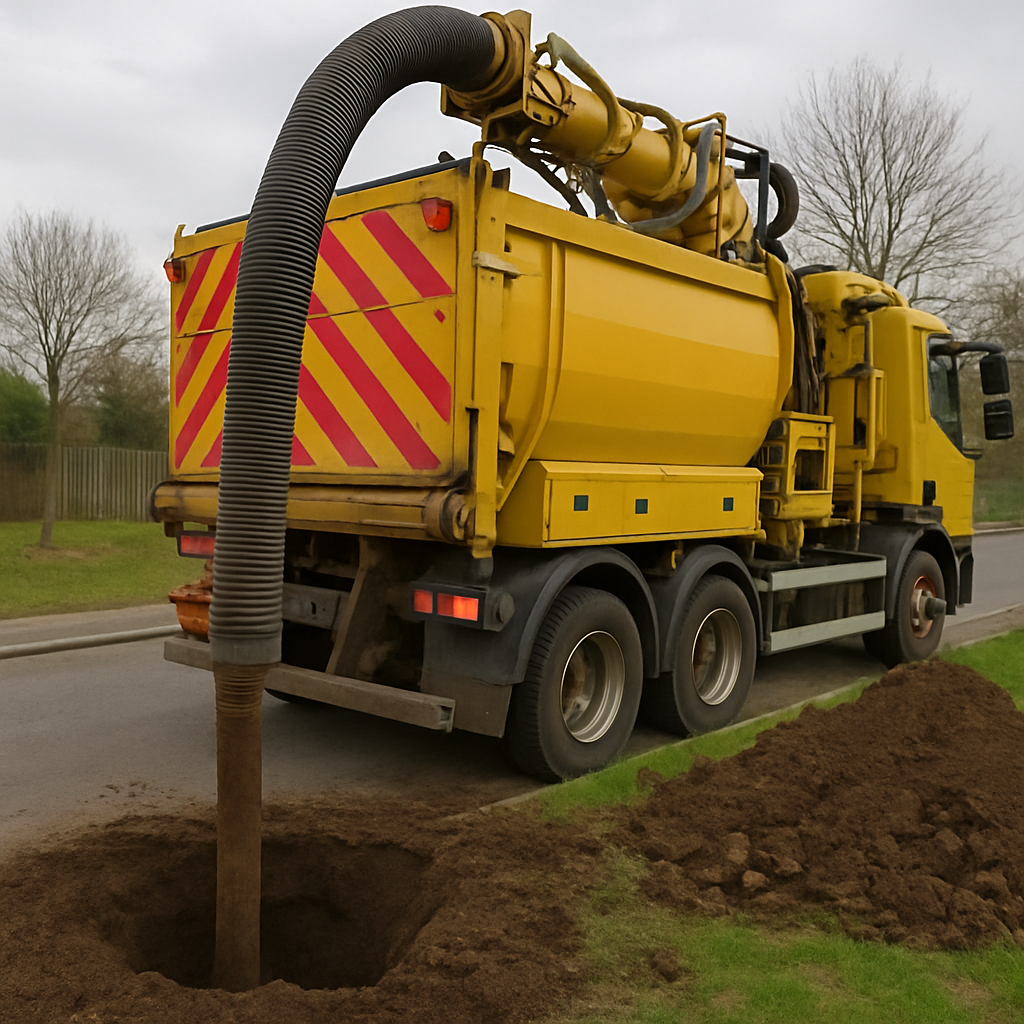
Excavation projects in Sydney require careful planning and adherence to safety standards. Understanding local regulations is crucial for a successful project.
This guide provides essential information on safe excavation practices. It is designed for construction professionals and site managers.
Safety is a top priority in any excavation project. Proper planning and risk assessment can prevent accidents and ensure compliance.
We will explore key aspects of excavation safety, including site assessments and underground utility protection.
By following this guide, you can enhance site safety and achieve successful project outcomes.
Understanding Sydney Excavation Regulations and Permits
Navigating Sydney’s excavation regulations is essential for site managers. Adhering to these rules helps maintain safety and avoids legal issues. In-depth knowledge of local standards is crucial for compliance.
Before starting any excavation project, it’s important to secure the necessary permits. These permits ensure that the project meets city and safety requirements. Obtaining them is a critical first step in the excavation process.
Key steps for compliance include:
- Researching Sydney excavation regulations.
- Identifying required permits for the project.
- Submitting applications with complete documentation.
Complying with these regulations not only enhances safety but also streamlines project management. By being proactive, you can avoid costly delays and fines. Thorough planning and understanding of Sydney’s regulations set the foundation for successful excavation.
Pre-Excavation Site Assessment and Planning
A thorough site assessment is the backbone of any successful excavation project. Before digging, evaluate the site’s conditions and potential hazards. This assessment helps in identifying site-specific challenges.
Planning is vital for minimizing risks and ensuring efficient workflows. Understanding the site layout aids in resource allocation and hazard prevention. Detailed planning can significantly reduce unexpected issues.
Important steps in site assessment and planning include:
- Conducting a comprehensive site survey.
- Identifying geological and environmental factors.
- Establishing a detailed excavation plan.
Incorporating site data into your plan enhances safety and efficiency. By anticipating potential problems, you can allocate resources effectively. A well-prepared site assessment ensures smooth project execution and helps in maintaining strict safety standards. This proactive approach is key to successful excavation management.
Identifying and Protecting Underground Utilities
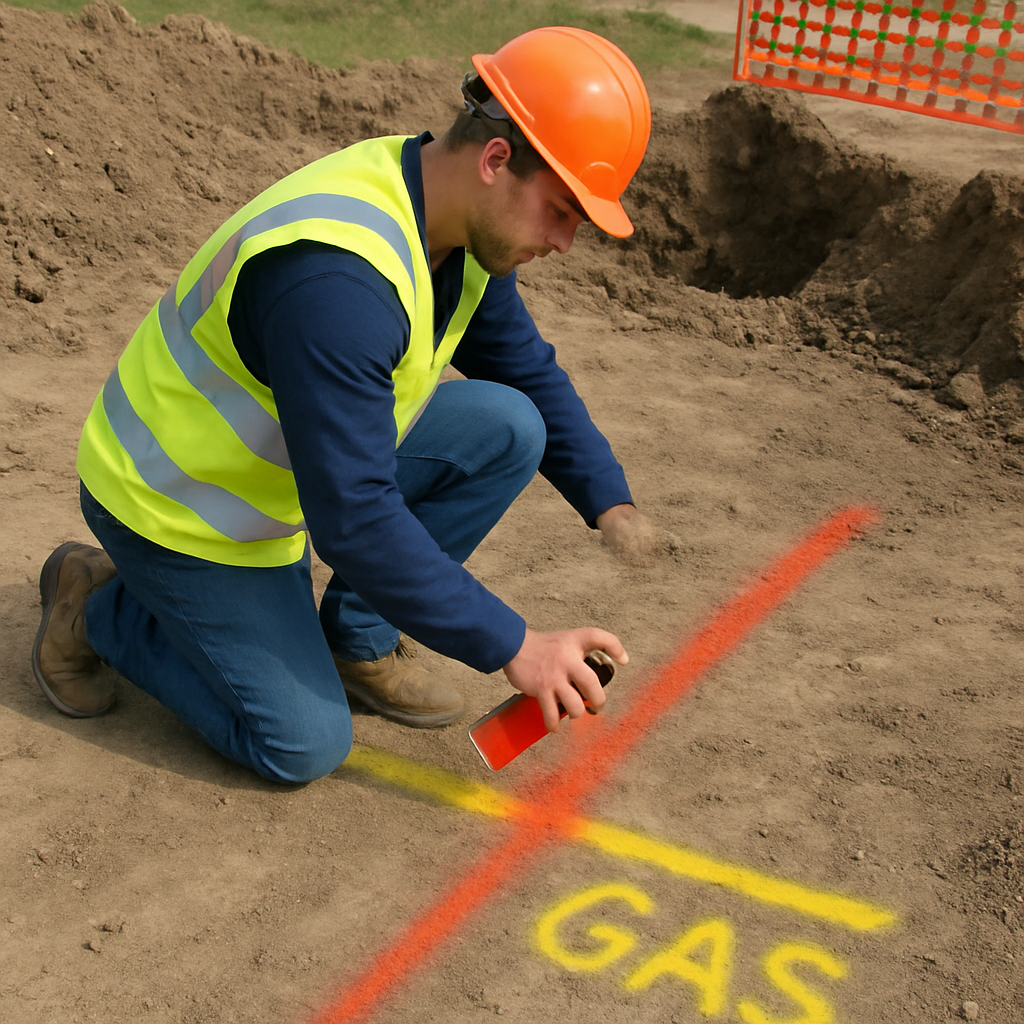
Understanding the location of underground utilities is crucial. Damage to these utilities can cause severe delays and hazards. It’s essential to accurately identify and mark them before excavation.
In Sydney, services like Dial Before You Dig offer guidance on utility locations. This prevents accidents and service disruptions. By consulting such services, you enhance site safety.
Key steps for identifying and protecting utilities include:
- Consulting utility maps and records.
- Engaging in communication with utility companies.
- Using tools to accurately mark and avoid utility lines.
Protecting underground utilities requires diligence and careful planning. This proactive approach minimizes risks associated with excavation. Ensuring utility safety is essential for a smooth and secure digging process.
Explore about Root intrusion removal for safe excavation here >>
Safe Digging Practices and On-Site Safety Measures
Adhering to safe digging practices ensures the protection of workers and the surrounding environment. These practices reduce accidents and improve efficiency. Excavation teams should focus on maintaining clear communication and using the right techniques.
Implementing on-site safety measures creates a secure working environment. This involves regular safety briefings and hazard assessments. Site managers must enforce adherence to established safety protocols.
Here are some essential safety measures to follow:
- Establish clear communication channels.
- Monitor weather conditions to mitigate risks.
- Conduct daily safety inspections and briefings.
Safe digging also involves utilizing the correct tools and machinery. Proper equipment reduces the likelihood of incidents. It’s vital to keep the equipment well-maintained and routinely checked for any issues.
Lastly, site safety extends to personal protective equipment (PPE). Workers should always wear suitable gear. This includes helmets, safety vests, and gloves, which provide essential protection on excavation sites.
Risk Assessment and Hazard Management
Risk assessment is critical in safeguarding excavation sites. It identifies potential hazards before work begins. This proactive approach allows teams to plan effectively and implement preventive measures.
Managing hazards involves more than just recognizing them. A clear action plan helps address these risks promptly. Regular training ensures that all team members know how to handle emergencies.
Key steps in hazard management include:
- Identifying potential hazards through site surveys.
- Assessing the impact and likelihood of each risk.
- Implementing control measures to mitigate identified risks.
Continuous monitoring and evaluation are equally important. Conditions on-site can change rapidly. By regularly assessing risks, excavation teams can adjust their strategies as necessary, thus maintaining a safe working environment.
Equipment, PPE, and Worker Training
Proper equipment is essential for safe excavation. Each machine should be regularly inspected and well-maintained. This ensures they operate safely and efficiently on-site.
Personal Protective Equipment (PPE) is non-negotiable for excavation safety. Workers should be equipped with helmets, gloves, and high-visibility clothing. This minimizes the risk of injury during operations.
Training plays a crucial role in maintaining safety standards. Regular drills keep workers informed and prepared for emergencies. Ongoing education helps them stay updated with industry best practices.
Key considerations for equipment and worker safety:
- Use correct machinery for each task.
- Ensure all workers have appropriate PPE.
- Conduct regular safety training sessions.
Together, these practices create a safe and efficient excavation environment.
Emergency Preparedness and Incident Response
Emergencies can arise at any time during excavation projects. Being prepared with a clear emergency plan is crucial. Every team member should know their role and responsibilities if an incident occurs.
A robust incident response plan minimizes damage and protects workers. Quick and effective action can prevent minor issues from escalating. Regular practice of these procedures ensures readiness.
Key steps in emergency preparedness and response:
- Develop and communicate a detailed emergency response plan.
- Conduct regular emergency drills with all team members.
- Ensure a clear communication protocol during incidents.
Preparing in advance fosters a safer work environment and enhances site security.
Environmental and Community Considerations
Excavation projects in Sydney must consider environmental and community impacts. Protecting the natural landscape ensures long-term sustainability and minimizes disturbances to local wildlife.
Community engagement is vital for maintaining positive relations. Open communication helps address concerns and fosters goodwill.
Key considerations for environmental and community focus:
- Plan to manage noise and dust pollution.
- Implement strategies to protect local wildlife.
- Engage with community stakeholders regularly.
Balancing construction goals with environmental respect can lead to more successful and harmonious projects.
Post-Excavation: Site Restoration and Safety Review
After excavation, focus shifts to site restoration and a thorough safety review. Proper restoration benefits the environment and local communities while maintaining project integrity.
Conduct a comprehensive safety review to evaluate the effectiveness of safety measures and document lessons learned. This reflection helps enhance future projects.
Key steps for post-excavation:
- Restore the site to its original state.
- Review safety incidents thoroughly.
- Document and learn from project outcomes.
Conclusion: Building a Culture of Safety in Excavations Sydney
Prioritizing safety ensures successful excavation projects in Sydney. Cultivating a safety-first mindset among all project participants leads to fewer incidents and improved outcomes. By embedding effective safety practices, following regulations, and promoting continuous learning, a culture of safety becomes integral to excavations in Sydney.