Are Lithium Golf Cart Batteries Worth the Upgrade in Australia?
Switching your fleet to lithium can be a real game changer. It affects reliability, upkeep, and day-to-day running costs. That matters even more in harsh Australian conditions. If you’ve dealt with tired lead-acid batteries, you’ll know the pain. Slow carts, extra maintenance, and lost time add up fast. Let’s walk through why lithium often makes better sense.
Answer-first: Yes, for many Australian courses, lithium is worth it. You get longer battery life and far less maintenance. They also handle heat and hills much better. That means fewer headaches and less lost time. Over the long run, they can save serious money.
Key Takeaways
- Lithium-ion batteries offer superior, consistent performance on steep and hilly Australian terrains without bogging down.
- Extreme Australian heat degrades traditional lead-acid battery cells very quickly, whereas lithium-ion cells remain highly stable.
- While lead-acid batteries cost less upfront, they demand intense routine labour that drains your maintenance budget.
- Proper battery disposal and recycling meet strict Australian environmental sustainability standards.
What are the primary benefits of lithium-ion golf cart batteries in Australia?
Lithium batteries cope with heat much better than lead-acid ones. That really matters in Australia. Summer days can get brutally hot, fast. And that kind of heat is hard on old-school batteries. Lead-acid packs can overcharge, swell, and wear out sooner. Lithium stays steadier when the temperature climbs.
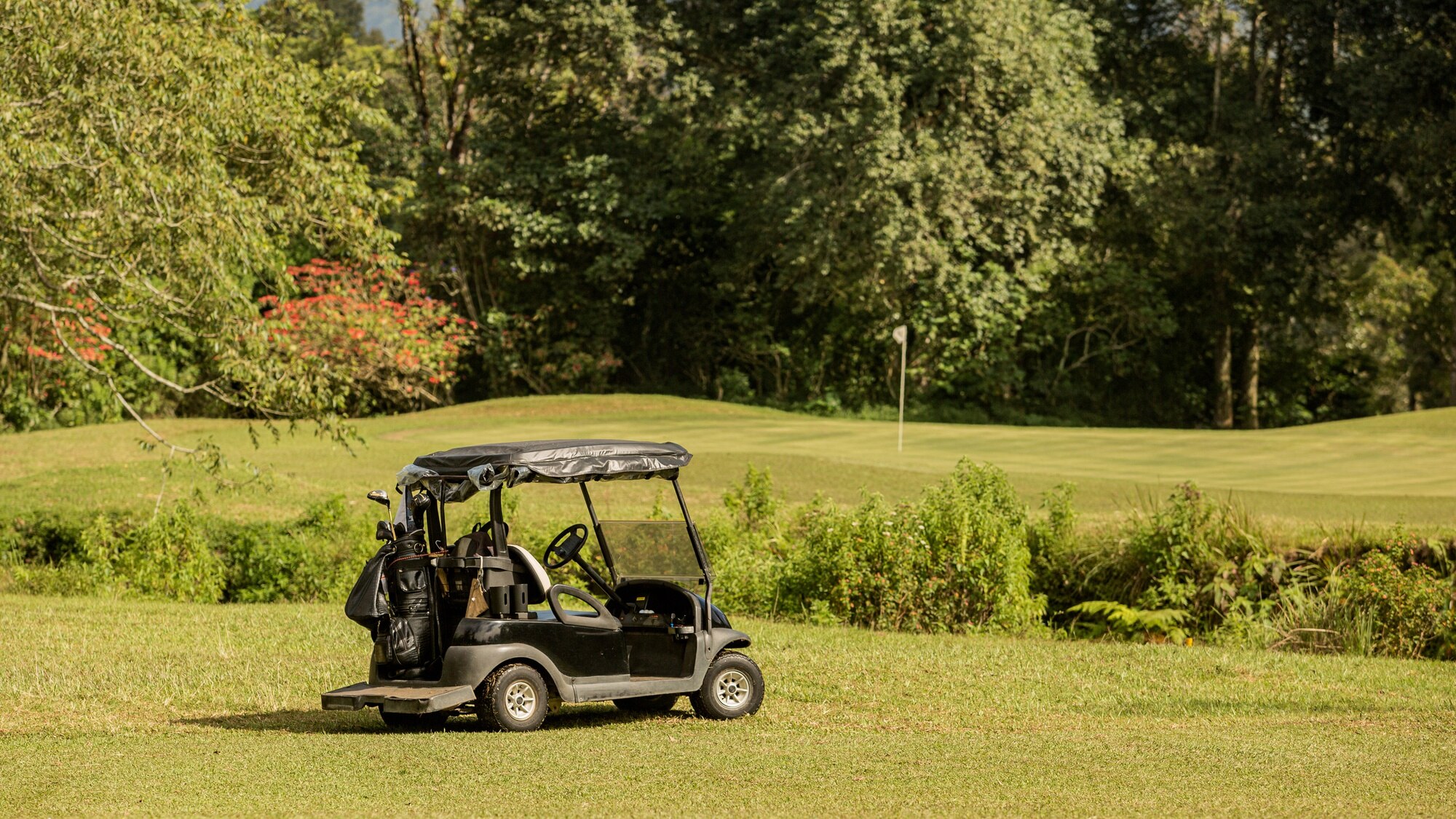
I still remember a Golf cart giving up mid-round. It stopped on a steep fairway. The heat was brutal that day. Everyone felt the pressure straight away. The team had to scramble. Players were left waiting. That sort of thing sticks with you. It’s one reason lithium stands out. These systems manage heat far better. They stay steadier in tough conditions. They’re also safer on long, hot afternoons. You turn the key and get on with it.
How do battery types perform on hilly Australian golf course terrains?
Lithium batteries feel much stronger on hills. They keep pulling steadily uphill. Lead-acid batteries tend to fade under load. You notice it most on steep fairways. The cart just loses its punch.
Lead-acid batteries are seriously heavy. You feel that weight on every climb. Even a mild slope can slow things down. The cart starts to feel flat and sluggish. Lithium is different. It keeps delivering steady power right through the run. It also drops a lot of weight from the cart. That helps on hills straight away. You usually get better range too. There’s another plus many people miss. Lighter carts are kinder to the turf. So if your course has plenty of rises, lithium makes life easier.
What maintenance is required for golf cart fleet batteries?
Lithium batteries are wonderfully low-fuss. Lead-acid batteries need regular watering and terminal cleaning.
Looking after a big cart fleet is hard yakka. Lead-acid batteries need constant attention. Terminals get crusty and messy fast. Someone has to clean that gunk off. And yes, it takes time. If you spot white or green build-up, deal with it early. Leave it, and problems stack up. If you smell rotten eggs, stop right there. That cart needs attention straight away. The battery could be venting dangerous gas. This is where lithium feels like a breath of fresh air. No watering. No scrubbing terminals. No fuss every other day. You charge them and get on with work.
How long do golf cart batteries last in Australia?
Lithium batteries usually give you eight to ten solid years. Lead-acid ones often tap out after three to five.
Harsh weather can really chew through old-school batteries. Heat, stop-start use, and poor charging all hurt them. That’s why charging habits matter so much. With lead-acid, you need to stay on top of it. Leave them half-flat, and trouble starts early. Sulfation builds up on the plates. Once that happens, performance drops off fast. Lithium is much easier to live with. It charges faster and handles regular use better. It also stays strong for much longer. For busy courses, that makes a big difference.
What is the environmental impact of golf cart batteries in Australia?
Lithium batteries are usually the cleaner long-term option. You replace them far less often. That means less waste over time. Lead-acid batteries wear out sooner and need changing more. That cycle adds up quickly.
A well-run fleet can save a club real money. It also makes your operation more sustainable. That part often gets overlooked. If you want solid guidance, the Department of Climate Change, Energy, the Environment and Water is worth a look. The energy.gov.au recycling guidance is handy too. It helps when old batteries reach the end. And it’s not just government advice out there. Researchers at UNSW are doing great work as well. They’re exploring better ways to recycle batteries safely. That matters because no one wants harmful waste in the environment.
Comparison table: Lead-acid vs. Lithium-ion golf cart batteries
This side-by-side view makes the choice much clearer. Start with your cart’s voltage. That part has to match exactly.
| Feature | Lead-Acid Golf Cart Battery | Lithium-Ion Golf Cart Battery |
|---|---|---|
| Upfront Cost | Lower initial purchase price | Higher initial purchase price |
| Maintenance | Requires regular watering and cleaning | Minimal to no routine maintenance |
| Average Lifespan | 3 to 5 years | 8 to 10 years |
| Weight | Very heavy | Lightweight |
| Charging Speed | Slower charging cycles | Much faster charging times |
Go with lead-acid if budget matters most right now. Go with lithium if you want less work later. It really comes down to short-term spend versus long-term ease.
Making the final decision for your fleet
A better battery setup changes more than most people expect. It makes daily operations smoother from the start. Fewer breakdowns mean fewer disruptions during play. That alone takes pressure off your team. You also spend far less time on battery upkeep. No constant watering. No endless terminal cleaning. Start by checking your cart voltage. Then look at battery age, run time, and staff hours. When you add it all up, lithium often makes sense.
Frequently Asked Questions About Golf Cart Batteries
Are lithium-ion golf cart batteries worth the extra cost?
Yes, in many cases, they really are worth it. They charge faster and cope with heat far better. You also skip the usual watering and battery fuss. That saves your team a lot of time. Over a few years, the numbers often speak for themselves.
Can I replace just one bad golf cart battery?
No, and this catches people out all the time. One new battery sounds like a cheap fix. In reality, it usually creates more trouble. The fresh battery works harder than the older ones. That throws the whole pack out of balance. Before long, performance drops again. If you want reliable results, replace the full set. It saves hassle, time, and money later.
How often should I charge my lead-acid battery?
Charge it after every use. Even short trips count. Leave it partly flat, and it starts wearing out. That’s when sulfation builds on the plates. Once that happens, capacity drops pretty quickly. The cart feels weaker, and the battery won’t last as long.
How can I safely store my golf cart battery during the off-season?
Start by giving lead-acid batteries a full charge. Then clean the terminals well. Disconnect the main cables before storing them. Keep them somewhere cool, dry, and airy. A hot shed is a bad idea. Check the charge once a month. That small habit helps stop them going flat.
Ready to upgrade your golf cart fleet?
If your fleet is slowing you down, it’s worth a closer look. Check what your carts need. Look at battery age, run time, and upkeep. Then compare that with how your team works now. You might find lithium makes life a whole lot easier.