

Hydroseeding is when grass or plants are grown by spraying a mixture of seed, fertilizer and mulch. Hydromulching is the application of a protective fiber layer, often without seed, to soil to protect against erosion. It’s an industry term used interchangeably, so the real question to ask a contractor is not what word they use, but is seed in the tank.
The loss of good soil by wind or rain is serious. So is a patch of bare dirt that never grows anything. These problems can be remedied by two sprayed-on treatments: hydroseeding and hydromulching. They sound almost identical and honestly a lot of people in the landscaping world use the words as if they are the same thing.
They don’t. Not really. One is made to grow a lawn. The other is for the purpose of protecting soil while it waits for something to grow. Or sometimes just protecting soil. Period. Knowing which one you actually need can save you money and a lot of frustration.
This guide will explain both methods in simple terms. You’ll learn what each is, how the process works, when to use which and what questions to ask before you hire anyone.
What Is Hydro-Seeding?
Hydroseeding is a one-step process where a wet mix of seed, fertilizer and mulch is sprayed onto bare soil. The aim is simple: to get grass or other plants down quickly, especially over large or difficult areas such as slopes.
What is the hydroseeding process really like?
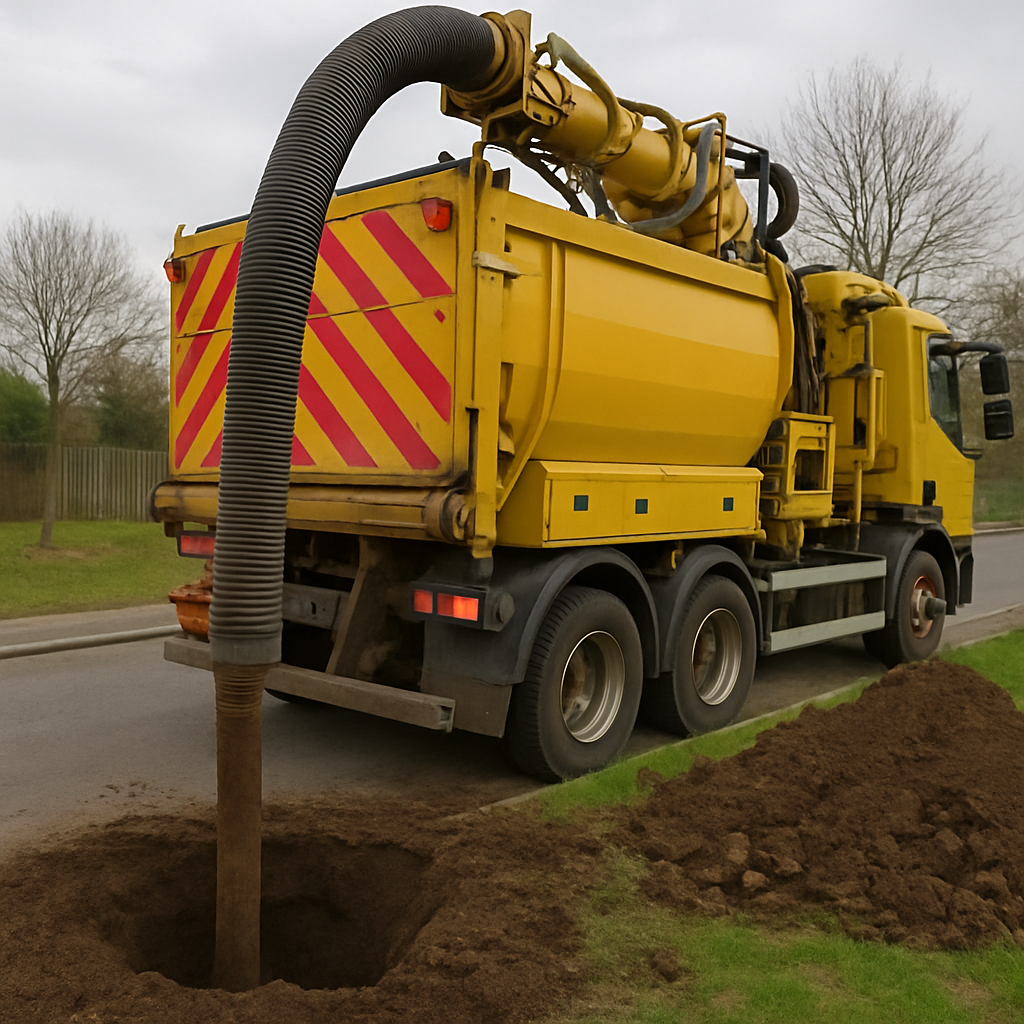
A hydroseeding crew mixes it all in a tank on a truck or trailer. The tank also continuously stirs the mix so that nothing settles at the bottom. A hose (sometimes a long-range cannon) sprays the slurry evenly over the ground. Some have a range of over 100 meters. Handy if you have a place a hose can’t reach.
What is actually in the hydroseeding mix?
The slurry generally contains:
Seed — suited to the climate, soil and use of the area
Fertilizers – giving young seedlings a flying start
Mulch, often wood fiber, sometimes paper or a mixture, retains moisture around the seed
Tackifier – A binder to help the seed stick to the soil and not wash off
Tracking dye – allows the crew to see exactly where they have already sprayed
Every piece serves a specific purpose. Heavy rain will wash the seed off if you leave out the tackifier. Skip the mulch and the seed dries out before it gets a chance to sprout.
When is hydroseeding the best option?
Hydroseeding is good for big open areas – think highway embankments, new housing developments, or sports fields. It is intended for slopes of 2:1 or flatter and areas larger than half an acre (California DOT guidance cited in Stormwater Solutions, 2024). For small patches, hand seeding is generally the more practical and economical approach.
It’s also a good short-term erosion fighter. The layer of mulch temporarily protects exposed soil from wind and rain until the grass underneath becomes established.
What Is a Hydromulch?
Hydromulching involves spraying a layer of fiber over soil to protect it more than to grow something new . According to the California DOT (cited in Stormwater Solutions, 2024), hydromulch is similar to hydroseed, but it may or may not contain seed, depending on the requirements of the job.
What’s the difference between hydromulching and hydroseeding?
This is where it gets really confusing. Sometimes the terms “hydromulching” and “hydroseeding” are used interchangeably and the mix can include seed, fiber, and tackifier either way (Stormwater Solutions, 2024). The difference, in practice, is intent and ingredients. Seed is the key component of the mix, because hydroseeding is all about growing plants. Hydromulching, which is based on protecting soil, makes seed an optional ingredient—and sometimes not used at all.
Hydromulching: What is it and when is it used?
Hydromulch applications usually consist of wood fiber, paper mulch, or a combination of the two, sometimes mixed with synthetic fibers for added strength. The premium versions, known as bonded fiber matrix (BFM) or erosion-control fiber matrix (EFM), work best on steep or exposed ground (CDTS, 2026). These are placed as soon as possible after rough grading, before anything else is done to the site, to get down protection as soon as possible.
How to apply hydromulching
- Hydromulching is the answer when erosion, not greenness, is the primary concern. The suitable candidates are:
- Construction sites waiting between grading and planting.
- Difficult terrain with steep or rough areas where blankets are difficult to install
- Rapid dust and moisture control zone
- Where seed has already been planted and just needs a protective cover
Stormwater Solutions (2024) says hydromulch is better than erosion control blankets in some cases because it is quicker to apply, safer for crews (no need to climb steep slopes), and doesn’t have the risk of “tenting,” where netting traps small animals underneath.
What’s the difference between hydroseeding and hydromulching?
Hydroseeding or hydromulching: Which grows grass faster?
Truthfully? Research is not in unanimous agreement. As noted by Stormwater Solutions (2024), hydroseeding encourages quicker germination and seed growth. However, peer-reviewed studies such as Gudyniene et al. (2021) in Plants and Applestein et al. (2018) in Natural Areas Journal did not find a significant difference in germination or establishment between hydroseeded and conventionally seeded plots. But it’s not the spraying method itself that determines germination speed, rather seed type, soil temperature, moisture, and timing. With either method, you should see visible growth of cool-season grass seed in 7 to 14 days, if conditions are good.
No contractor can honestly promise a faster lawn, simply because they used a hydroseeder.
Can Hydroseeding and Hydromulch be used together?
Yes, and it’s normal. Grass could be established on a site by hydroseeding and then hydromulched again later for additional erosion protection as the grass matures. Hybrid approaches work well for rough or steep ground, hydroseeding the slopes, then hand and drill seeding the flatter, more accessible areas (CDTS, 2026).
Which one to choose?
What do you ask yourself before you decide?
Ask yourself this before you hire anyone:
Are you trying to protect existing soil or do you need new grass or plants?
How big is the area and how steep is it?
What’s my timeline, do I need results this season or do I need protection right now?”
Is this a construction site in progress or a finished landscape?
“What is the contractor going to spray?”
The last question is more important than people realize. The two terms are used so loosely that two different contractors could use the term ‘hydroseeding’ to mean two completely different mixes. Always ask the question directly, is there seed in the tank or not?
What are the roles of climate and soil type in the decision?
Soil temperature is a critical factor in whether or not a seed will even germinate. Cool season grasses can germinate at soil temperatures as low as 5°C, and growth really begins to take off around 10°C (Butler, 2017). Even the best hydroseeding mix won’t do much if you are seeding outside that window. Often in that case, hydromulching alone, protecting the soil now and seeding later, makes more sense.
The soil type also matters. Seed has a harder time sticking and growing in poor or compacted soil. Add some top soil and compost or rough up the surface first and either way will work.
Budget and timeline usually lead to what?
**Example (fictional): Maria has just poured a new driveway and needs to cover the dirt around it before it rains next week. She’s not trying to grow a show lawn, just keep the mud out. Her problem is quickly and cheaply solved with a simple hydromulch application (without seed).
Fictional situation: Now, let’s say Tom, a developer, is finishing a quarter-acre slope behind a new subdivision. The city won’t approve the project until the grass is established and the slope is too steep for easy hand seeding. Hydroseeding would be good for his situation – seed, fertilizer and mulch all in one pass, suited to that 2:1 slope.
If the real goal is to grow the vegetation and you have weeks for germination and establishment, then go for the hydroseeding. If the priority is to protect the soil, especially if you’re on a tight timeline or the weather is not conducive to germination, hydromulching may be the way to go.
Why not just ask a professional?
For anything larger than a small backyard patch, a professional landscaper or erosion control contractor can assess your slope, soil and climate and make recommendations on the right mix. They will also know local seed varieties suited to your area which is more important than most people realize.
Hydroseeding and Hydromulching Address Different Problems
Both approaches are useful, but they do different things.” Hydroseeding is about making something grow. Hydromulching is about protecting what you have, or getting the ground ready for what’s next.
But once you know that one thing—seed or no seed—the confusing jargon isn’t so important anymore. You’ll know what to ask, what to expect and which option actually suits your project.
Frequently Asked Questions (FAQ)
Is hydromulching the same thing as hydroseeding?
Not really, but these terms are used loosely in the industry. Hydroseeding always has seed, because the whole idea is to grow plants. Hydromulching uses a similar spray method , but often without the seeds since the idea is to protect the soil , not grow grass .
Hydroseeding vs. Hydromulching: How much does it cost?
Costs differ greatly depending on the area and size of the project. Vortec Global estimates hydroseeding at around $1 to $15 per square meter, varying on size of area and materials. Hydromulch only jobs are generally cheaper as seed is not included but hydromulch only prices are not clearly published – check locally for an accurate figure.
How long does it take to see results from hydroseeding?
Under good conditions, cool-season grass seed germination is usually noticeable in 7 to 14 days. Full coverage is slower and depends on the temperature of the soil, moisture and the seed type.
Hydroseeding or hydromulching – which is best for erosion control?
Both offer some erosion protection, but hydromulching is designed to do that specifically. Research cited by Auburn University’s Highway Research Center (Donald, Fang, Zech, and Manning, 2022) indicated that standard wood-fiber hydraulic mulches reduced erosion by 45% to 54% on a 3H:1V slope compared to bare soil, while premium fiber matrix products reduced erosion by about 67%.
Can I do hydromulching or hydroseeding myself?
For small residential areas, rented equipment might be enough, but larger or sloped areas usually mean you need a professional crew. They have the right tanks, tackifiers and seed blends for your particular climate and soil.
What questions should I ask a contractor before I hire them?
Ask them to break down their mix – seed, fertilizer, tackifier, type of mulch. Ask if their recommendation matches your actual goal – growing plants or protecting soil. This question avoids confusion later, since the two terms are often used as synonyms.




Leave a Reply
You must be logged in to post a comment.