I’ve lost count of the blokes who’ve rung me with a cheaper quote in their hand.
“Other mob’s doing dry hire for a fair bit less a day. Can you match it?”
Sometimes I can. Most times I ask what’s actually in their price. Usually they don’t know. They saw a day rate, it looked good, and that was the end of the research. Three weeks later the invoice turns up with fuel, disposal, cleaning, a damaged hose and a couple of extra days on it, and suddenly the cheap truck wasn’t cheap.
So here’s how vacuum truck dry hire costs really work. I’ll cover what pushes the price up or down, where the hidden bits are, and when you shouldn’t be dry hiring at all.
The day rate is just where the bill starts
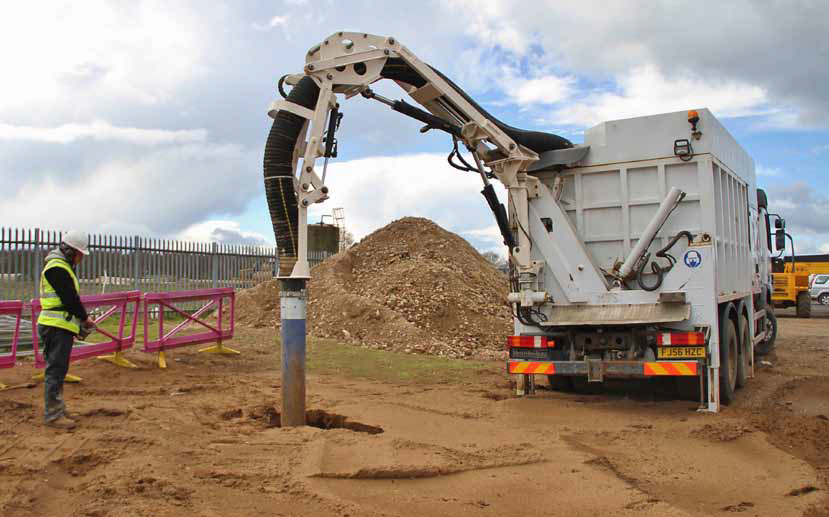
Dry hire means you get the truck and your crew runs it. No operator. That’s why it looks cheaper on paper than wet hire, because you’re not paying someone’s wages.
But the advertised day rate is only one line on the invoice. What you’ll actually pay depends on what’s bundled in, what isn’t, and how your job runs once the truck’s on site.
Two quotes with the same day rate can end up thousands apart. Two quotes that look miles apart can come out about even. You won’t know until you ask the right questions.
Truck size and tank capacity
Bigger trucks cost more to hire. No surprise there. More suction, bigger spoil tank, bigger water tank, more expensive to buy and run.
Where people go wrong is hiring on rate instead of on the job.
A small unit with a small tank looks like a bargain. Put it on a long trench or a run of service exposure along a road reserve, though, and it’ll fill up fast. Every time it fills, someone drives it to the tip, waits in the queue, empties it and drives back. That’s your crew’s time, your fuel and your disposal fees, over and over.
Go the other way and you’ve got a big truck on a residential job doing three pier holes. You’re paying for capacity you’ll never use, and it probably can’t park anywhere sensible either.
Rule of thumb: if you’ll empty the tank more than a couple of times a day, price up a bigger truck. Do the maths on the whole day, not the hire rate.
Wet vac or air vac
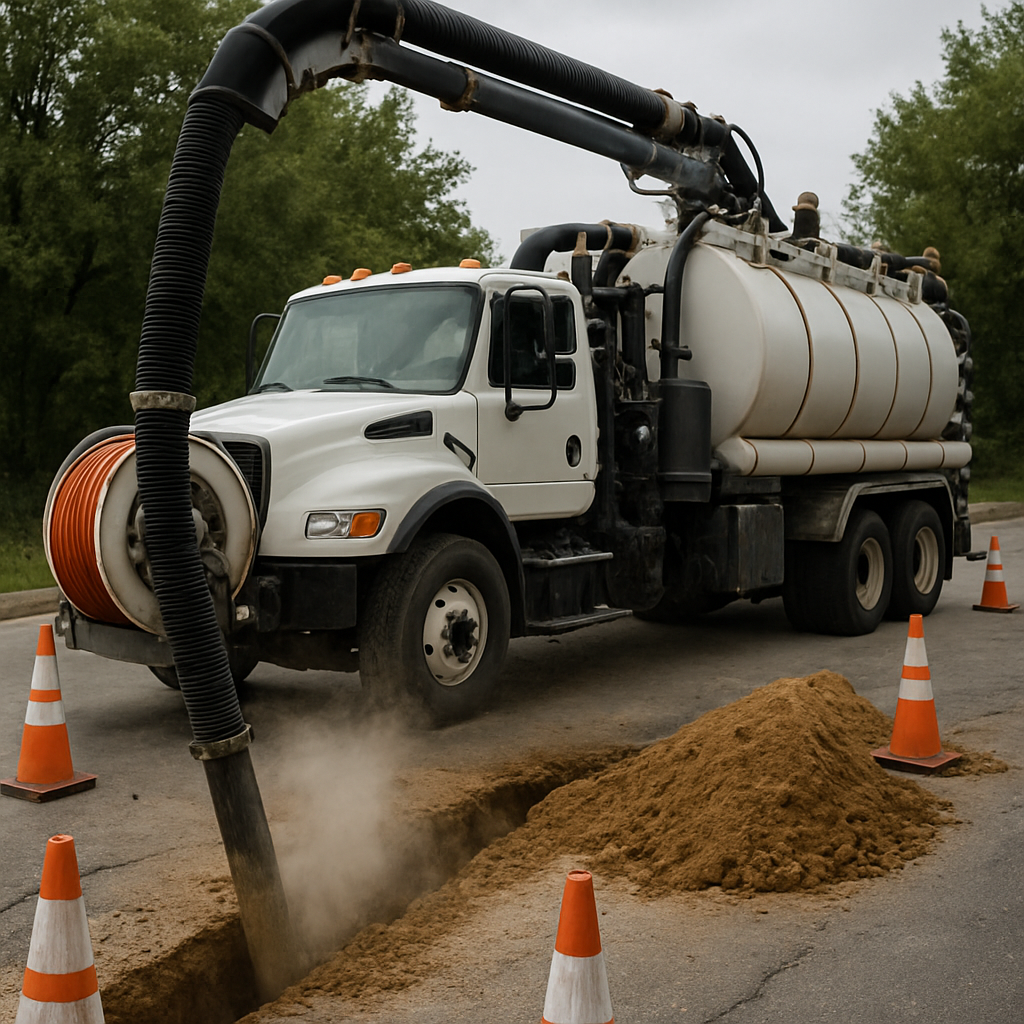
Hydro (water) vac is what most Brisbane crews use, because it gets through our clay properly. It also makes slurry, and slurry costs money to get rid of. More on that in a sec.
Air vac trucks, or combo units that do both, often cost a bit more to hire. The upside is dry spoil. On plenty of jobs you can put it straight back in the hole, which means fewer tip runs and lower disposal bills.
So the air truck can have the higher day rate and still come out cheaper. That’s especially true on small residential jobs where you’d rather backfill with what you dug out. It’s slower in heavy clay, mind you. Factor in the extra hours.
How long you need it
Longer hires usually get a better daily rate. A week is cheaper per day than a single day, and a month is cheaper again. That’s standard across most hire gear.
The catch is you’re paying whether it’s working or not. If your job’s stop-start, with other trades, inspections, rain (it’s Brisbane, it’ll rain), you might have a truck sitting idle for half the hire.
Some hire companies have minimum hire periods, too. You might only need it for six hours, but the minimum’s a full day, or two.
Be honest with yourself about how many days the truck will actually be digging. Then talk to the hire company about whether a short block, a long block or splitting it into two bookings works out better.
Disposal: the cost people forget
This is the one that catches the most people out.
Hydro slurry can’t go down the stormwater. It can’t go in a skip either. It has to go to a licensed facility, and they charge you to take it, usually by volume or weight. Some sites charge more for contaminated material, so if you’re digging old industrial ground, expect that.
On dry hire, disposal is almost always on you. You pay the tip fees, you pay for the fuel to get there, and you pay your crew while they’re driving.
Now think about where your job is versus where the nearest facility is. A run that takes 20 minutes each way is one thing. A run that takes an hour each way in afternoon traffic is a different job entirely. Do that three times a day and you’ve lost most of the day to driving.
Ask the hire company where the nearest disposal sites are and what they charge. If they don’t know, find out yourself before you book.
Transport, fuel and getting it there
Some dry hire rates include delivery and pickup. Some don’t. Some include it inside a certain radius and charge per kilometre past that.
If your crew is picking the truck up, check the licence class. A lot of vac trucks need a medium rigid or heavy rigid licence to drive. If nobody on your crew has the right one, you’re either paying for delivery or you’ve got a problem.
Fuel is usually on you as well. Vac trucks are thirsty. You’ve got the truck engine plus whatever’s running the vacuum and the water pump. Most hire companies want it back full, and if it comes back short, they’ll fill it at their price, not the servo’s.
Then there’s water. Hydro trucks go through a lot of it. You might need a standpipe, access to a hydrant (with council or water authority approval) or a source on site. That’s another cost, and another thing that’ll stall the job if nobody sorts it.
Site conditions and hose reach
The truck doesn’t care if it’s a hard job, but your bill does.
If the truck can park close to the dig on solid, flat ground, things move quickly. If it’s parked on the street with 40 metres of hose running down a side path, through a gate and uphill back to the truck, suction drops and the dig slows right down. More hours, more fuel.
Extra hose lengths might cost extra to hire. Some companies include a set amount and charge for more.
Tight-access jobs also tend to need permits and traffic control if the truck’s parked on a busy road. That’s not part of the hire rate, but it’s part of the cost of the hire.
Soft verges, nice driveways, old concrete and pavers can all crack under a loaded truck. If that happens on dry hire, the repair bill’s yours, and so is the angry client.
Insurance, bonds and the fine print
Read the hire agreement. Actually read it.
Most dry hire companies will want:
- Proof of your own insurance, or a damage waiver fee added to the hire
- A bond or security deposit, sometimes a decent chunk of money held until the truck’s back and checked
- Your licences and sometimes your crew’s training records
The damage waiver might look like an annoying extra. Find out what it covers before you knock it back. A torn boom hose, damaged nozzle or a cracked lance gets expensive fast. Check the excess, too. A waiver with a big excess might not save you much.
And find out who pays if the truck breaks down. If it’s a mechanical fault, a decent company will swap it out or credit you. If it’s because your crew ran it wrong, it’s on you.
Cleaning and maintenance
Bring it back filthy and you’ll pay for the clean. Some companies charge a flat fee, some charge by the hour. Either way, it’s easy to avoid if your crew washes it down and empties the tanks before return.
Basic daily checks are usually your responsibility on dry hire. That means filters, oil, water levels and anything the hire company spells out. Skip them and something fails, and the repair could come back to you.
Ask what servicing is included and what’s expected from your end. Get it in writing.
Availability
Supply and demand. When big civil projects are running and everyone wants trucks, rates go up and the good units get booked out. Leave it to the last minute and you take whatever’s left, at whatever price.
If you know you’ll need a truck in six weeks, ring now. You’ll get a better truck and probably a better rate.
The type of work changes everything
This ties all of the above together.
- Bulk spoil removal is about tank size, suction power and disposal logistics. Operator finesse matters less. Dry hire often makes sense here.
- Tight-access digging is about hose reach, truck size and where you can park. A smaller truck might be the right call even if it fills faster.
- Potholing and service exposure is about not hitting anything. That’s not a truck problem. That’s an operator problem.
Which brings me to the big one.
When dry hire is a bad idea
If you’re digging anywhere near live services, think hard before you go dry hire.
That means gas, HV, fibre, pressurised water mains, and crowded footpaths where you’ve got three telcos and a gas service inside a metre. High-pressure water can cut poly gas pipe or brittle old cable sheathing if the nozzle’s too close or the pressure’s too high. Knowing when to back off only comes from digging hundreds of holes.
If your crew has that experience, fine. Plenty of civil crews do. But if you’re putting a young bloke on the wand because he’s free that day, you’re taking a punt with someone else’s asset and possibly someone’s life.
Asset owners can also set conditions on how you dig near their stuff. Read what comes back with your Before You Dig Australia plans. If something goes wrong, “we saved a few hundred on the hire” isn’t going to help you much.
Dry hire makes sense when:
- Your crew is trained and genuinely competent on the gear
- The work is mainly spoil removal, not delicate digging near services
- You’ve got a long job where having the truck on hand saves on rebooking
- Someone on your crew has the right licence and knows the daily checks
Wet hire is the smarter call when:
- You’re potholing or exposing live services
- The ground’s crowded or the plans are rubbish
- Your crew’s never run a vac truck, or hasn’t for a while
- A strike would shut the job or hurt someone
How a cheap rate ends up costing more
A few I’ve seen, or heard about from people I trust. The numbers here are made up to show the point, not real quotes.
The small truck on the long trench. A crew hired a small unit because it was about $300 a day cheaper than a mid-size truck. The job was 30-odd metres of hydro trenching. The small truck filled up four times a day. Every round trip to the tip took close to an hour and a half with the queue. Over three days they lost more than a full day to driving, paid extra disposal and burned a lot more fuel. The bigger truck would’ve done it in two days with half the tip runs. They “saved” $900 and spent a good couple of grand doing it.
The gas service. A plumbing outfit dry hired to save on operator costs. They put an apprentice on the wand near a poly gas service at the front of a house. He held the nozzle too close and cut it. The gas network callout, the lost day, the client’s hot water being off and the repair bill wiped out the saving many times over. Nobody got hurt. They were lucky.
The dirty return. A builder sent the truck back with a half-full spoil tank and mud caked all over the boom. Cleaning fee, plus a disposal charge for what was left in the tank, plus a fuel top-up at the hire company’s rate. Small stuff on its own. All together, it added a good chunk to the invoice.
The truck that couldn’t get in. A crew booked the cheapest truck going without checking its size. It couldn’t get within reach of the dig, so they ran every metre of hose they had and suction was terrible. A job that should’ve taken half a day took a day and a half.
What to ask before you sign
When you’re comparing dry hire quotes, ask every company the same things:
- What size truck is it, and what’s the spoil and water tank capacity?
- Is it hydro, air or both?
- Is delivery and pickup included? What licence does it need?
- What’s the minimum hire? Are there weekly or monthly rates?
- Who pays for fuel, and how should it come back?
- Is disposal included? Where’s the nearest facility?
- What’s the bond, and what’s the damage waiver and excess?
- What daily checks and cleaning do you expect from us?
- What happens if it breaks down?
- How much hose comes with it, and what does extra cost?
Then put the answers side by side and work out a real cost for your job. That means hire, plus fuel, plus disposal, plus transport, plus your crew’s time, plus the risk.
The short version
The cheapest day rate rarely gives you the cheapest job.
What you really pay comes down to truck size, tank capacity, wet or air, how long you have it, where you’re digging, how far the tip is, and who’s on the wand. Dry hire works well for competent crews doing spoil removal or long-running civil work. Near live services, with a crew that doesn’t do this every week, wet hire is usually the cheaper option once you count the risk.
Before you book, walk the site, work out roughly how much dirt is coming out, find your nearest disposal facility and ask the questions above. Half an hour of homework now will save you a lot of grief when the invoice lands.